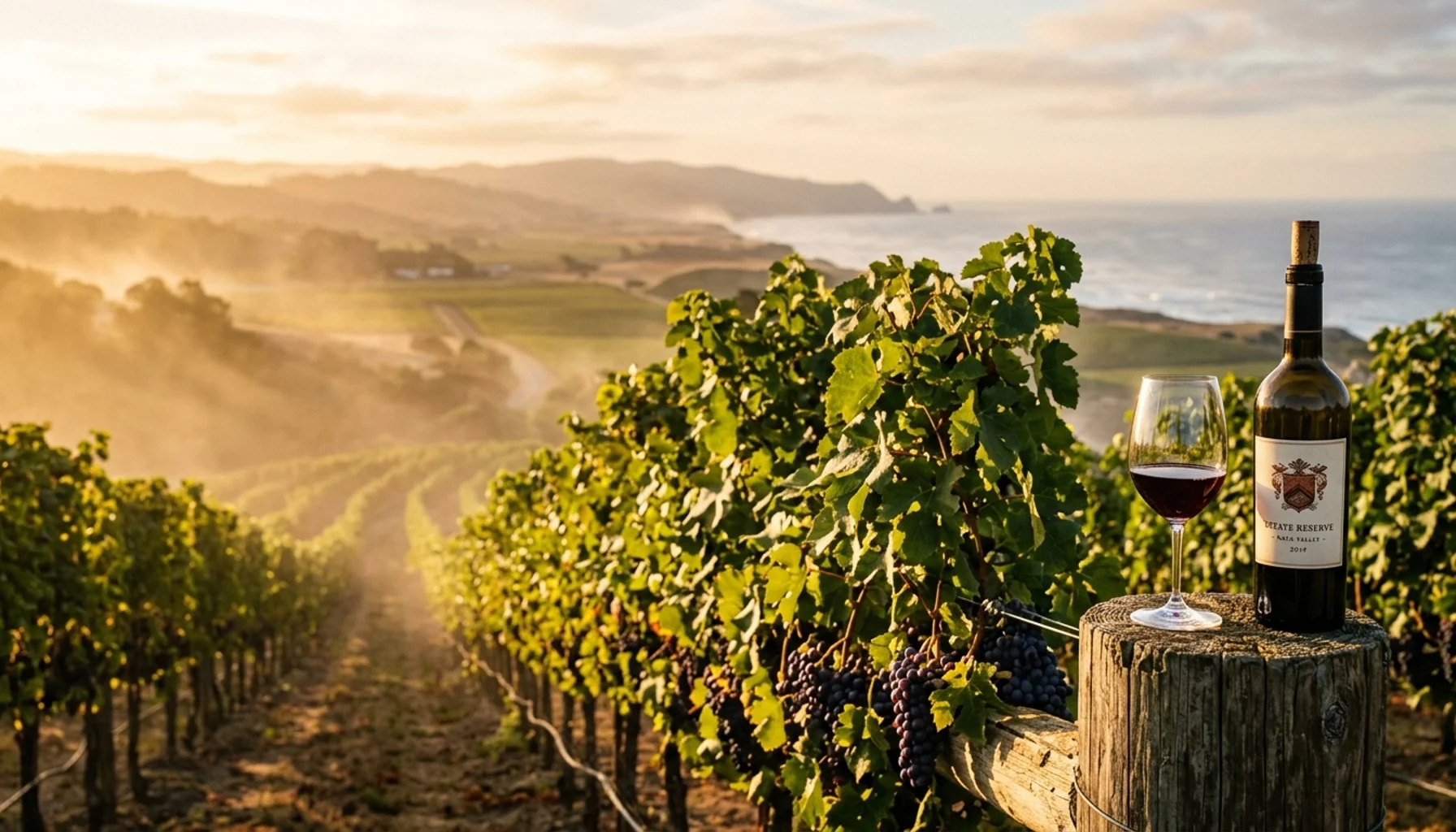
The Cape May wine trail is a self-guided wine touring route spanning the Cape May Peninsula in southern New Jersey, with seven distinct wineries growing grapes between the Delaware Bay to the west and the Atlantic Ocean to the east. The peninsula became New Jersey’s fourth official American Viticultural Area in May 2018, a designation granted by the federal Alcohol and Tobacco Tax and Trade Bureau based on the region’s distinct soils, microclimate, and documented history of wine grape cultivation. Cape May has the longest growing season of any wine region in New Jersey, a fact that shapes what ends up in your glass at every stop.
- The Cape May wine trail includes seven wineries: Cape May Winery & Vineyard, G&W Winery, Hawk Haven Vineyards, Jessie Creek Winery, Natali Vineyards, Turdo Vineyards & Winery, and Willow Creek Winery.
- The Cape May Peninsula became New Jersey’s fourth AVA in May 2018, recognized for its unique dual-coast geography and extended growing season.
- Cape May MAC (Museums+Arts+Culture) operates a guided wine trail trolley departing from the Emlen Physick Estate, priced at approximately $125 per person for adults 21 and over.
- The broader Jersey Cape Wine, Spirits & Brew Trail extends the experience to local breweries and distilleries, offering non-wine stops for groups with mixed preferences.
- The trail is a year-round experience, with harvest season in fall, winter tasting room hours, and spring and summer events making every season worthwhile.
- Cape May’s historic district, a National Historic Landmark since 1976, sits at the heart of the peninsula, putting every wine trail winery within a roughly 20-minute drive of most Cape May accommodations.
Cape May is one of the few coastal destinations in the Northeast where you can spend a morning on a beach designated by the National Park Service, an afternoon tasting barrel-aged Cabernet Franc, and an evening walking Victorian streetscapes that have barely changed since the 1880s. The wine trail threads through that experience rather than sitting apart from it. Whether you are planning a dedicated tasting day or weaving a winery or two into a longer beach weekend, this guide gives you the practical detail to do it well.
At Cape del Mar, we manage vacation rentals throughout Cape May’s historic district, which puts our guests within easy reach of every winery on the trail. That proximity shapes what we recommend, and the local knowledge behind this guide comes from years of sending guests out on exactly this kind of day trip. For a broader look at what the peninsula has to offer beyond wine, our ultimate guide to Cape May covers the full picture.

What Makes the Cape May Peninsula AVA Different from Other New Jersey Wine Regions?
The Cape May Peninsula AVA refers to a federally designated American Viticultural Area covering the southernmost tip of New Jersey, bounded by water on three sides. The Atlantic Ocean to the east and the Delaware Bay to the west create a thermal buffer that keeps spring frosts later and fall frosts earlier than in more inland New Jersey wine regions, giving Cape May growers a longer window to ripen fruit. According to the Garden State Wine Growers Association, this region has the longest growing season in all of New Jersey.
New Jersey currently has four AVAs. The Central Delaware Valley AVA is shared with eastern Pennsylvania. The Warren Hills AVA covers the northwestern corner of the state. The Outer Coastal Plain AVA covers nine southern counties, and the Cape May Peninsula sits within that larger zone as its own distinct sub-region. When you see “Cape May Peninsula” on a wine label, federal law requires that at least 85% of the grapes in that bottle were grown within the AVA boundary.
The practical difference for visitors is flavor. The dual-coast geography means cooler nights even in August, which preserves the natural acidity in white grapes and adds complexity to reds. Sandy, well-drained soils keep vine roots stressed in a productive way, concentrating flavors. The Outer Coastal Plain Vineyards Association describes the regional profile as producing wines with fresh fruit character, bright acidity, and a coastal mineral quality that distinguishes them from the fuller-bodied styles found in warmer inland regions. That means the Chardonnay poured at a Cape May tasting room will typically taste noticeably different from one made 100 miles north, and that distinction is worth paying attention to as you move through the trail.
Which Wineries Are on the Cape May Wine Trail?
The Cape May wine trail includes seven wineries officially recognized by the Garden State Wine Growers Association, ranging from the flagship Cape May Winery & Vineyard on a 150-acre estate to smaller boutique producers along bayshore roads and rural county routes. Each has its own character, tasting format, and specialty, so knowing what to expect before you pull into the parking lot saves time and sets the right expectation.
Cape May Winery & Vineyard
Cape May Winery & Vineyard is the largest and most visited winery on the trail, situated on 150 acres at 711 Townbank Road, Cape May, NJ 08204 (phone: 609-884-1169). The estate grows 16 grape varieties, and the tasting room is well-equipped for groups and walk-ins. Leashed dogs are welcome in designated outdoor areas, making this the trail’s most explicitly dog-friendly stop. Start here if you want a thorough introduction to Cape May Peninsula wines in a polished setting.
Hawk Haven Vineyards
Hawk Haven Vineyards sits at 600 South Railroad Ave, Rio Grande, NJ 08246 (phone: 609-846-7347). Hawk Haven has built a reputation for Bordeaux-style reds, particularly Cabernet Franc and blends that benefit from the peninsula’s long hang time. The property has a relaxed, farm-winery feel. Call ahead during shoulder season to confirm tasting room hours before making the drive.
Jessie Creek Winery
Jessie Creek Winery is located at 1 North Delsea Drive, Cape May Court House, NJ 08210 (phone: 609-536-2092). Jessie Creek is one of two wineries featured on the Cape May MAC guided trolley tour, which signals its accessibility and visitor-readiness. The winery covers a range of white and red varietals and is a reliable mid-trail stop for groups covering the northern section of the peninsula route.
Natali Vineyards
Natali Vineyards is at 221 N. Delsea Dr., Cape May Court House, NJ 08210 (phone: 609-465-0075). Natali pairs tastings with cheese and crackers, a detail that matters on a long trail day when you need something to eat between stops. Also featured in the MAC trolley tour, Natali is consistently praised for its white wines and approachable tasting experience.
Willow Creek Winery
Willow Creek Winery is located at 168 Stevens Street, West Cape May, NJ 08204 (phone: 609-770-8782). Positioned in West Cape May, Willow Creek is the closest winery to Cape May’s historic downtown, making it the easiest addition to a walking or biking day. The West Cape May setting gives it a garden-party character that works well for a relaxed afternoon glass rather than a formal tasting flight.
Turdo Vineyards & Winery
Turdo Vineyards & Winery is at 3911 Bayshore Road, North Cape May, NJ 08204 (phone: 609-884-5591). Turdo sits along the bayshore, which means the drive out is scenic in its own right. The bayshore road approach puts this winery on the western edge of the peninsula loop, so it works best as a deliberate destination rather than a casual detour.
G&W Winery
G&W Winery is located at 1034 Rt. 47 South, Rio Grande, NJ 08242 (phone: 609-948-0595). G&W rounds out the seven-winery trail with a farm winery feel along Route 47. It is the most low-key stop on the trail and suits visitors who want to encounter a working grape farm rather than a polished tasting room. Expect a more rustic, personal experience here than at the larger estates.

What Is the Best Driving Route for the Cape May Wine Trail?
No competitor guide maps an efficient route for visiting multiple Cape May wine trail wineries in a single day, which is the most practical question most visitors actually have. The seven wineries spread across roughly 15 miles of the Cape May Peninsula, so the order you visit them in matters for fuel, time, and how many bottles you can carry by the end of the day.
A logical northern-to-southern loop from Cape May city starts by heading north on Route 9 or Delsea Drive toward Cape May Court House, visiting Natali Vineyards and Jessie Creek Winery first. Both sit near Cape May Court House on or just off Delsea Drive, putting them within a couple of miles of each other. Drive time between the two is under 10 minutes.
From there, head west toward Rio Grande to reach G&W Winery on Route 47 South and Hawk Haven Vineyards on South Railroad Ave. These two are roughly 10 to 15 minutes apart depending on your approach. Hawk Haven is widely considered the strongest stop for red wine drinkers, so pace yourself for a proper sit-down tasting here rather than rushing through.
Then turn south and west to reach Turdo Vineyards on Bayshore Road in North Cape May, which gives you the scenic bayshore drive as a natural break between tastings. From Turdo, it is a short 10-minute drive back toward Cape May proper to reach Willow Creek Winery in West Cape May. End at Cape May Winery & Vineyard on Townbank Road, which has a larger format space suited for unwinding at the end of a full trail day.
Practically speaking: doing all seven in one day is ambitious. Four or five stops with a meal break in between is more realistic and more enjoyable. If you are covering the trail over two days, split it at the Rio Grande cluster. The northern wineries (Natali, Jessie Creek, G&W, Hawk Haven) form a natural first-day loop. The southern three (Turdo, Willow Creek, Cape May Winery) anchor a second, more relaxed afternoon.
Parking is free at all seven wineries. Most have gravel or grass lots suited for standard vehicles. None require parking fees or timed entry. One honest note on planning: call ahead during November through March, as several wineries reduce tasting room hours significantly in the off-season. Walking into a closed tasting room after a 20-minute drive is a frustrating avoidable mistake.
What Are the Best Times to Visit the Cape May Wine Trail?
The Cape May wine trail is a genuinely year-round experience, which separates it from most of the shore activities that effectively close after Labor Day. Each season offers a different reason to visit, and some seasons are actually better than peak summer for the tasting experience itself.
Fall, specifically September through November, is the best season for serious wine visitors. Harvest typically runs through October on the peninsula, and many wineries host crush events and harvest festivals that put you on the property during the most active time of the winemaking year. Crowds at tasting rooms thin considerably compared to July and August, which means staff have more time for genuine conversation about what you are drinking. Cape May County’s fall programming, including the Cape May Jazz Festival (historically held in November), also makes an autumn wine trail trip easy to build a full long weekend around.
Spring, from late April through June, offers a second sweet spot. The growing season is just starting, flowering vines are visually at their best, and the peninsula’s shoulder-season energy, quieter restaurants, easier restaurant reservations, cooler temperatures, gives the whole visit a relaxed pace that peak July simply cannot match.
Summer is the busiest time on the Cape May wine trail, and the tasting rooms at popular stops like Cape May Winery & Vineyard can feel crowded on weekend afternoons. If you visit in July or August, go on a weekday morning when tasting rooms first open, typically around 11am or noon. You will have more time with the staff and more space at the bar.
Winter is the most overlooked season. Several wineries stay open year-round with reduced hours, and the experience of a quiet, fire-warmed tasting room in January has a character all its own. Check each winery’s website directly before visiting November through March, as hours vary considerably. Our Cape May restaurant guide covers which dining spots stay open year-round if you want to pair a winter wine trail day with dinner in town.
Is the Wine Train Worth It? What About the Guided Trolley Tour?
A guided Cape May wine trail tour is worth the cost if you want a curated, structured experience without the logistics of driving between stops. Cape May MAC (Museums+Arts+Culture) operates a trolley-based wine trail experience departing from the Emlen Physick Estate at 1048 Washington St., Cape May, NJ. The format includes transportation, tastings at multiple wineries, food pairings, and a souvenir glass, removing the planning burden entirely. As of the most recent published pricing, the tour ran at approximately $125 per person and is restricted to adults 21 and over.
The MAC trolley historically includes stops at Jessie Creek Winery and Natali Vineyards, with lunch at Pier House in Cape May built into the experience. That combination, a proper meal and two focused tastings with guidance, makes it a better choice for first-time trail visitors or for travelers who want to avoid a designated driver situation. It is also the right choice for a special occasion, since the organized format gives the day a celebratory structure.
The trade-off is flexibility. The trolley covers two wineries rather than all seven, and the schedule is fixed. Self-guided visits let you spend an extra 45 minutes at Hawk Haven if the tasting room staff has good stories, or skip a winery entirely if you are running behind. For repeat visitors or travelers who prioritize discovering the trail at their own pace, self-guided is the better call.
One practical note: the MAC trolley events sell out well in advance during summer and fall. Check capemaymac.org for the current schedule and book as early as possible if you have a specific date in mind. Do not count on walk-up availability during peak season.
What Is the Jersey Cape Wine, Spirits & Brew Trail?
The Jersey Cape Wine, Spirits & Brew Trail is a broader county-recognized trail that extends the Cape May wine trail experience to include local breweries and distilleries on the peninsula, giving visitors a more complete picture of Cape May County’s craft beverage scene. The official Cape May County government website recognizes this expanded trail, though its official directory is minimal and the county page functions primarily as a reference point rather than a planning guide.
For wine trail visitors who are traveling in a group with mixed preferences, the Jersey Cape Wine, Spirits & Brew Trail matters. Not everyone in a group wants wine at every stop, and having a distillery or craft brewery as a mid-afternoon break point keeps the day enjoyable for everyone. Nauti Spirits Distillery in Cape May welcomes guests at outside tables via a walk-up service window, making it an easy and genuinely enjoyable addition to a trail day.
The Cape May wine trail also sits within the even larger Vintage Atlantic Wine Region, a multi-state trail covering more than 60 wineries across New Jersey, Pennsylvania, Maryland, and Delaware. If you are building a multi-day wine touring trip through the mid-Atlantic, Cape May is the southern anchor of that regional circuit. The Brandywine Valley, Chesapeake, and Delaware trails connect northward for travelers who want to extend the experience beyond one peninsula.
Practical Tips for Visiting the Cape May Wine Trail
Visiting the Cape May wine trail well requires a bit more planning than simply driving to whichever tasting room looks good on a map. These are the details most visitors find out too late.
Reservations: Cape May Winery & Vineyard and Hawk Haven Vineyards accommodate walk-ins on most days, but weekend afternoons in summer can mean a wait. Smaller producers like Turdo Vineyards sometimes prefer advance notice, especially for groups of more than four or five. Call ahead or check each winery’s website before showing up on a Saturday in August with a party of eight.
Designated driver logistics: If you are doing a full trail day, plan for a designated driver or use the MAC trolley. Rideshare availability in rural Cape May County is inconsistent, particularly around the more remote stops like Turdo Vineyards on Bayshore Road. Do not count on reliable rideshare pickup at the end of a long tasting session at a winery 10 miles from downtown.
Pacing and food: Eat before you start, and eat between stops. Natali Vineyards includes cheese and crackers with tastings, which helps. But a proper lunch mid-trail is worth building into the schedule. Several Cape May Court House restaurants near the northern winery cluster serve lunch, or pack a picnic if you want to eat on winery grounds where allowed.
Bottle transport: Buy a small insulated tote before the trail if you plan to bring bottles home. Temperatures in the car on a warm August afternoon are not kind to wine. Most wineries sell wine totes at the tasting room, but you will pay a premium for them on-site.
Dog-friendly policies: Cape May Winery & Vineyard explicitly welcomes leashed dogs in designated outdoor areas. Other wineries vary. Call ahead if you are traveling with a dog, since policies are not always clearly posted online. Our pet-friendly Cape May guide has more on traveling with dogs on the peninsula if that is a priority for your trip.
Accessibility: Most wineries have at least some accessible outdoor space, but historic properties and farm wineries can have uneven terrain. If wheelchair or mobility accessibility is important, call the specific winery ahead of time to ask about parking lot surfaces and tasting room access. Do not rely on website photos to assess this.
Where to Stay for the Cape May Wine Trail
Staying in Cape May’s historic district puts you within 20 minutes of every winery on the trail, and within walking distance of the restaurants, coffee shops, and Victorian streetscapes that make the broader Cape May experience worth having. Parking is free at all seven wineries, so a car-based base in the historic district works well for a trail day.
For couples planning a wine-focused weekend, Cape Belvedere is the most elevated option in the portfolio. It sits on the top floor of the historic Belvedere building, two minutes from Congress Hall and one block from the beach, with Atlantic views that stretch to Delaware on clear days. The cupola lounge with panoramic views and rocker chairs is exactly the right place to open a bottle you picked up at Hawk Haven that afternoon. Cape Belvedere sleeps up to six adults across two bedrooms, with a modern kitchen stocked for proper cooking and four complimentary beach passes included through mid-September.
For families or two-couple groups who want more space, Cape Wave offers two bedrooms and two bathrooms in a renovated top-floor apartment inside an 1860 Victorian house, a five-minute walk from the beach and one block from Washington Street Mall. The rooftop deck is a natural gathering spot after a trail day, and the two-bedroom layout handles a group of four comfortably without anyone crowding anyone else.
For solo travelers or couples who want the most walkable, stripped-back base, Cape Surf at the historic Baronet Mansion on Beach Avenue puts you steps from the ocean with beach chairs and beach tags included, a king bed, and a fully stocked kitchen for the mornings before you head out on the trail. Cape Surf is also pet-friendly, which matters if your travel companion has four legs.
For more accommodation options and neighborhood context, the where to stay in Cape May guide covers every part of the historic district in detail.
Frequently Asked Questions About the Cape May Wine Trail
What is the 20-minute wine rule?
The 20-minute wine rule is an informal tasting practice that suggests allowing at least 20 minutes between pours to fully assess a wine’s character as it opens up in the glass. It is not a formal industry standard, but it is a useful guideline for anyone visiting multiple stops on a wine trail. At the Cape May wine trail, applying this spacing between tastings also helps you pace yourself across a full day of multiple winery visits.
How many wineries are on the Cape May wine trail?
There are seven wineries on the official Cape May wine trail: Cape May Winery & Vineyard, G&W Winery, Hawk Haven Vineyards, Jessie Creek Winery, Natali Vineyards, Turdo Vineyards & Winery, and Willow Creek Winery. All seven are located on the Cape May Peninsula within New Jersey’s Cape May Peninsula AVA, designated in May 2018.
Do you need reservations to visit Cape May wine trail wineries?
Most wineries on the Cape May wine trail accept walk-in visitors during regular tasting room hours, but weekend afternoons in summer can result in waits at popular stops like Cape May Winery & Vineyard and Hawk Haven Vineyards. Smaller producers, particularly Turdo Vineyards on Bayshore Road, appreciate advance notice for groups of four or more. Calling ahead is always the safer move, especially outside peak season when hours may be reduced.
What is the best time of year to visit the Cape May wine trail?
Fall, from September through November, offers the best combination of harvest-season activity, thinner crowds at tasting rooms, and Cape May’s strong shoulder-season event calendar. Spring, from late April through June, is a close second, with flowering vines and cooler temperatures. Summer visits are lively but busier; go on a weekday morning to avoid Saturday afternoon congestion at the larger tasting rooms.
Is there a guided tour option for the Cape May wine trail?
Yes. Cape May MAC (Museums+Arts+Culture) operates a guided trolley-based wine trail experience departing from the Emlen Physick Estate at 1048 Washington St., Cape May. The tour, priced at approximately $125 per person for adults 21 and over, includes transportation, lunch at Pier House, tastings at Jessie Creek Winery and Natali Vineyards, and a souvenir glass. It sells out well in advance during peak season, so book through capemaymac.org as early as possible.
Are dogs welcome at Cape May wine trail wineries?
Cape May Winery & Vineyard explicitly welcomes leashed dogs in designated outdoor areas. Policies at the other six wineries vary and are not always clearly posted online. If you are traveling with a dog, call the specific winery before visiting to confirm their pet policy for that day. For a full breakdown of dog-friendly Cape May activities, check our pet-friendly Cape May guide.
What does the Cape May Peninsula AVA designation mean for the wine?
The Cape May Peninsula AVA designation, granted by the federal Alcohol and Tobacco Tax and Trade Bureau in May 2018, means the region meets specific criteria for distinct climate, soil type, and history of viticulture. Practically, it means wines labeled with the Cape May Peninsula AVA contain at least 85% grapes grown on the peninsula. The dual-coast geography (Atlantic Ocean to the east, Delaware Bay to the west) creates a longer growing season than any other New Jersey wine region, producing wines with fresh acidity and a coastal mineral character.
Planning Your Cape May Wine Trail Visit in 2026
The Cape May wine trail is one of the most underrated day trips on the Jersey Shore, and in 2026 the Cape May Peninsula AVA continues to attract visitors who want more from a coastal trip than beach time alone. Seven wineries, a federal AVA designation built on genuinely distinct terroir, and a peninsula that keeps its tasting rooms open year-round add up to a destination worth planning around rather than treating as an afterthought.
The practical summary: start with Natali and Jessie Creek in the north, work your way through Hawk Haven and G&W in the Rio Grande cluster, then finish the southern loop with Turdo, Willow Creek, and Cape May Winery. Build in lunch, call ahead for off-season hours, and designate a driver. If you want the organized version, the Cape May MAC trolley does the logistics work for you.
For a broader look at what to do between winery visits, the 25 best things to do in Cape May covers every angle of a peninsula that rewards exploration. Cape May County welcomed more than 12 million visitors in 2026, according to Cape May County Government data, and the wine trail is a growing part of what makes the destination a genuinely four-season proposition rather than a summer-only shore town.
If you are building a wine trail weekend around Cape May, Cape Belvedere makes a strong case as a home base. The top-floor cupola with panoramic Atlantic views is a genuinely special place to end an afternoon with a bottle you picked up on the trail. Check availability at Cape Belvedere and book directly through Cape del Mar to skip the OTA service fees.