


Whale watching in Cape May NJ refers to guided marine cruises departing from Cape May harbor that take passengers 3 to 15 miles offshore into the Atlantic Ocean and Delaware Bay, where Humpback, Fin, Minke, and North Atlantic Right whales feed alongside Bottlenose dolphins and other marine wildlife. Cape May occupies a rare geographic position at the confluence of the Delaware Bay estuary and the open Atlantic, creating a nutrient-rich feeding zone that attracts large cetaceans, particularly between June and September. Two dedicated operators have run these cruises for a combined 60-plus years, and as of 2026, whale sightings near Cape May remain among the most reliable on the entire East Coast.
- Cape May has two operators with decades of experience: Cape May Whale Watcher (since 1993) and Cape May Whale Watch & Research Center (since 1987).
- Best months are June through September; Humpbacks have been spotted as close as 100 yards offshore.
- Over 90% of Humpback sightings in Spring 2026 coincided with Bottlenose dolphin appearances, per Cape May Whale Watcher data.
- Adult tickets typically run $40: $55 for a three-hour cruise; children under 7 ride free or for $1 with a paying adult.
- Cape May Whale Watcher offers a marine mammal sighting guarantee: no mammals seen means a free return ride.
- The Cape May Whale Watch & Research Center’s American Star collects scientific data more than 200 days per year.
Cape May is America’s oldest seaside resort, designated a National Historic Landmark on May 11, 1976, and its appeal extends well beyond the Victorian storefronts on Washington Street Mall. The whale watching scene here has matured into something genuinely impressive. Spring 2026 was recorded as the best whale-watching season in five years at Cape May Whale Watcher, according to their own sighting reports, with all whale encounters occurring within ten miles of shore. At Cape del Mar, we manage vacation rental properties throughout Cape May’s historic district, and whale watching is consistently one of the first things guests ask about. This guide gives you the honest, specific answers that most tour-company websites and generic travel blogs leave out.
What follows covers the right season for each species, a direct comparison of both operators, packing advice tailored to specific cruise types, and the science behind why Cape May’s waters attract whales in the first place. If you want to know which cruise is better for families with young children, or whether a morning or afternoon departure gives you better conditions on the water, you will find those answers below.
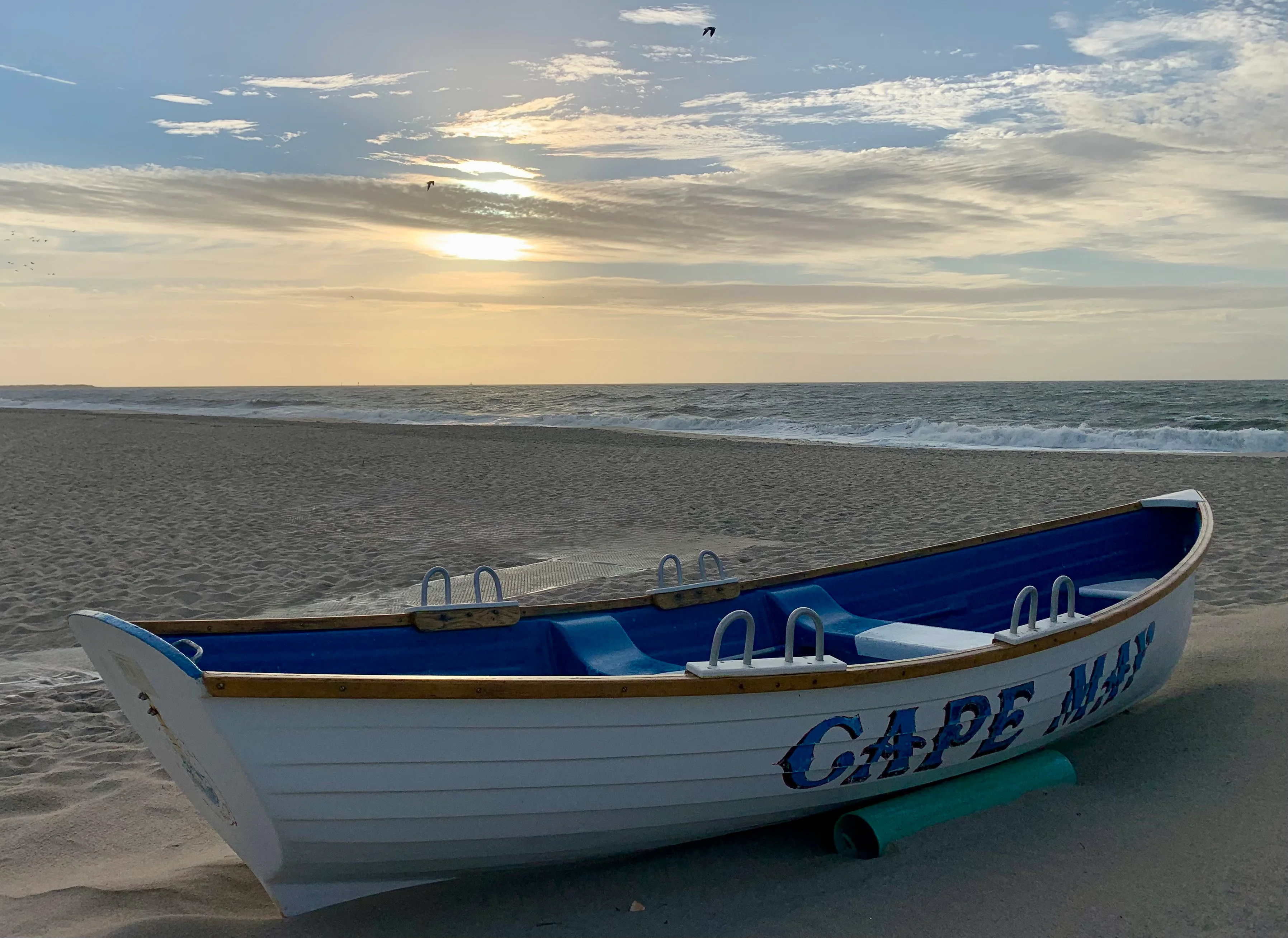
What Is Whale Watching in Cape May NJ and Why Is It Worth Doing?
Whale watching in Cape May NJ is an organized eco-tour experience where passengers board a purpose-built vessel and travel offshore to observe whales, dolphins, and other marine wildlife in their natural habitat. Cape May’s location at the tip of the New Jersey cape, where the cooler, nutrient-rich waters of the Delaware Bay meet the warmer Atlantic, creates a feeding corridor that draws large marine mammals each season. According to the Cape May County Tourism Economic Impact Report, recreational activities in Cape May County generated approximately $1.4 billion in visitor expenditures in 2023 alone, and marine tours are a significant part of that figure.
The reasons to go are straightforward. Sightings are frequent and often close to shore. Both established operators have decades of experience reading the water and locating animals. And unlike many wildlife experiences, where you leave uncertain whether you actually saw what you came to see, Cape May Whale Watcher backs its tours with a sighting guarantee: if no marine mammals appear, you ride again for free.
Beyond the spectacle, these cruises carry genuine scientific value. The Cape May Whale Watch & Research Center has operated as an eco-tour with a conservation mission since 1987, and its research vessel the American Star collects data on whale and dolphin populations more than 200 days per year. When you book a ticket, you are funding active marine research, not just a sightseeing ride. That combination of reliable sightings, professional naturalist narration, and real conservation impact is what separates whale watching Cape May NJ from a typical harbor cruise.
What Is the Best Time to See Whales in Cape May, NJ?
The best time to see whales in Cape May, NJ is from June through September, when Humpback and Fin whales are most reliably present in the waters off the New Jersey cape. Both operators run cruises from March through December, but June through September represents the peak window for frequency of sightings and diversity of species. May also offers excellent viewing, particularly for Humpbacks moving north along the coast. North Atlantic Right whales, critically endangered with fewer than 360 individuals remaining, are more commonly encountered in autumn as they migrate southward.
Spring 2026 was notable. According to Cape May Whale Watcher’s own sighting reports published in June 2026, that spring was the best whale-watching season in five years, with all whale sightings occurring within ten miles of Cape May. Humpbacks were spotted as close as 100 yards offshore when bait fish moved inward near the beach, which is not typical but does happen when feeding conditions are right. The convergence of the Delaware Bay estuary and the Atlantic Ocean creates exactly the kind of nutrient upwelling that keeps whales feeding in this area through the summer.
If you are planning a Cape May trip in 2026 and whale watching is a priority, book for late June through mid-August for the highest probability of multiple species and favorable sea conditions. September is a strong alternative: the summer crowds thin out considerably, water temperatures remain warm, and Humpback sightings often continue well into the month. Avoid planning a whale-watching outing as the sole reason to visit outside of May through October, as frequency drops and some tour types are not offered in shoulder months. Check the Cape May Whale Watcher cruise schedule in advance to confirm availability for your dates.
Which Species of Whales and Dolphins Can You See Near Cape May?
The whale and dolphin species commonly seen near Cape May include Humpback whales, Fin whales, Minke whales, critically endangered North Atlantic Right whales, and several types of dolphins, most frequently Bottlenose dolphins. Sea turtles, Mola mola (ocean sunfish), sharks, and rays are also regularly spotted on these cruises, particularly in warmer summer months. According to Cape May Whale Watcher’s 2026 spring sighting data, over 90% of Humpback whale sightings that season coincided with appearances by Bottlenose dolphins, making multi-species encounters the norm rather than the exception.
Here is a practical breakdown of what to expect by season:
| Season | Primary Species | Notes |
|---|---|---|
| Spring (March: May) | Humpback whales, Bottlenose dolphins | Humpbacks move north; sightings increasing through May |
| Summer (June: August) | Humpback, Fin, Minke whales; Bottlenose dolphins; sea turtles | Peak diversity; all species possible within 10 miles |
| Early Autumn (September: October) | Humpback, North Atlantic Right whale, Minke; dolphins | Right whale migration begins; still excellent for Humpbacks |
| Late Autumn (November: December) | North Atlantic Right whale; occasional Fin whale | Fewer departures; cooler, rougher conditions on the water |
The North Atlantic Right whale deserves special attention. Fewer than 360 individuals are estimated to survive as of 2026, making any sighting genuinely rare and significant. Both operators train their naturalist staff to identify and document Right whale encounters as part of their research and reporting obligations under federal marine mammal protection rules. If a Right whale is spotted on your cruise, the captain will typically slow and give the animal wide berth per NOAA approach guidelines.
Humpbacks remain the crowd favorite for good reason. They breach, slap their tails, and surface repeatedly near boats, providing the kind of dramatic wildlife encounters that fill up phone camera rolls. On productive summer days, you may see multiple individuals feeding in loose groups as they follow schools of menhaden and other bait fish.

Cape May Whale Watcher vs. Cape May Whale Watch and Research Center: Which Should You Choose?
Choosing between Cape May’s two primary whale-watching operators comes down to what you want from the experience. Cape May Whale Watcher prioritizes comfort, variety of cruise types, and a guaranteed-sighting policy. Cape May Whale Watch & Research Center prioritizes science, conservation education, and an onboard touch tank that makes it outstanding for families with young children who want to engage with marine life hands-on. Both are rated 4.7 out of 5 and have operated for decades.
| Feature | Cape May Whale Watcher | Cape May Whale Watch & Research Center |
|---|---|---|
| Founded | 1993 | 1987 |
| Vessel | 110-foot Cape May Whale Watcher (largest/fastest in NJ) | 100-foot American Star |
| Departure Point | Miss Chris Marina, 1218 Wilson Drive, Cape May | South Jersey Marina, 1231 Route 109, Cape May |
| Cruise Duration | ~3 hours (Cetacean Spectacular) | ~3 hours (whale, bird, and dolphin cruise) |
| Adult Pricing | From $40 (Big Trip); Weekend Special $50 | $50 adults, $35 ages 7: 12, free under 7 |
| Sighting Guarantee | Yes: free return if no mammals seen | Not listed as a standard guarantee |
| Touch Tank | No | Yes: live sea creatures with marine biologist |
| Special Cruises | Sunset Dolphin, Prime Rib Dinner, History, July 4th fireworks | Seasonal scientific research focus |
| Research Mission | Sighting data collected on cruises | 200+ data-collection days per year; formal research program |
For families with children under 10: Book the Cape May Whale Watch & Research Center. The onboard touch tank with live local sea creatures, led by marine biologists and student interns, keeps younger kids actively engaged even during the stretches between whale sightings. The educational narration is genuinely informative rather than just entertaining. The American Star also has a heated interior and a semi-enclosed upper deck, which matters more than you think on a breezy ocean morning.
For couples and groups who want variety: Cape May Whale Watcher is the stronger choice. The 110-foot vessel is faster and covers more water, which increases the odds of tracking down whales that are moving. The sighting guarantee removes risk from the decision. And the range of special-event cruises, from the romantic Sunset Dolphin Watch to the Prime Rib Dinner cruise, gives you more ways to shape the experience around your trip’s mood.
One honest caveat for both operators: Book ahead. Peak summer departures, especially the Saturday and Sunday morning cruises, fill quickly. Cape May’s summer population expands from around 94,610 residents to an estimated 763,940, according to Cape May County data, and marine tour capacity is limited. You can book a Cape May Whale Watch & Research Center cruise directly through FareHarbor, and the Cape May Whale Watcher schedule is available through Rezdy. Neither requires a middleman or an OTA service fee.
What Is the Best Time of Day to Go Whale Watching?
The best time of day to go whale watching in Cape May is generally the morning departure, typically leaving between 9 and 10 AM. Ocean conditions tend to be calmer in the morning before afternoon sea breezes build up chop and swell. Calmer water makes whale spotting easier: a whale’s blow, or spout, is visible from much farther away on a flat sea than on a whitecapped one. It also makes for a more comfortable ride, which matters if anyone in your group is prone to seasickness.
Afternoon departures, usually around 1 PM, are worth considering if you want a less crowded boat or if morning slots are fully booked. Whale activity does not follow a strict schedule, so the marine mammals themselves are not more or less present based on the time of day. The difference is primarily about sea conditions and passenger comfort.
Cape May Whale Watcher’s Sunset Dolphin Watch is a specific evening cruise worth flagging for couples. It focuses on dolphin encounters as the light shifts golden, and the return to harbor at dusk past Cape May’s Victorian silhouette is a genuinely memorable way to end an afternoon. It is not the choice if your primary goal is whale sightings, since it is designed around dolphins, but as an evening experience it stands on its own.
One practical tip most tour websites omit: check the wind forecast the night before your departure. Sustained winds above 15 to 20 knots can create uncomfortable conditions on a three-hour ocean cruise, and operators sometimes modify routes on rough days. If conditions look marginal, call the operator directly. Both Cape May Whale Watcher (609-884-5445) and Cape May Whale Watch & Research Center (609-898-0055) are responsive about weather guidance.
How Do Cape May Whale Watching Cruises Contribute to Marine Research?
Cape May whale watching cruises contribute to active marine research through systematic data collection on cetacean sightings, population movements, and behavioral patterns in the waters off southern New Jersey. The Cape May Whale Watch & Research Center operates the American Star as a research vessel as much as a passenger boat, collecting data on whale and dolphin encounters across more than 200 days per year. That longitudinal dataset helps marine biologists track population trends, migration timing, and the effects of environmental changes on whale distribution near the New Jersey shore.
The research value here is not incidental. Specifically, this kind of citizen-science-adjacent data collection on commercial vessels is one of the primary ways researchers monitor species like the North Atlantic Right whale, whose critically low population makes each documented sighting meaningful. The touch tank program on the American Star, where marine biologists and interns lead hands-on sessions with live local sea creatures, also serves a conservation education function: passengers who handle a horseshoe crab or examine a local invertebrate are far more likely to connect emotionally with marine conservation than those who simply watch from the rail.
Climate change and increased vessel traffic are reshaping whale migration patterns along the East Coast, and Cape May’s position as a key feeding corridor makes local data particularly valuable. Research conducted through these cruises has documented how shifts in water temperature and prey availability, specifically changes in menhaden and other bait fish populations, influence when and where Humpbacks appear near Cape May each season. The fact that Spring 2026 was the best whale-watching season in five years at Cape May Whale Watcher, according to their sighting reports, may reflect a partial recovery in prey species or a shift in migration routes, both questions that ongoing research programs like the American Star’s are positioned to answer.
When you book with either operator, you are contributing to that research. Ticket revenue funds fuel, vessel maintenance, crew, and the naturalist and research staff who collect and analyze the data. It is one of the cleaner examples of ecotourism functioning exactly as intended.
What Should You Pack and Wear for a Cape May Whale Watching Trip?
Packing for a Cape May whale watching cruise requires thinking about two things most guests underestimate: temperature drop and spray. Even on a warm summer day when the air temperature in Cape May is in the mid-80s Fahrenheit, the ocean temperature runs cooler, and the wind generated by a 110-foot vessel moving at speed creates a sustained chill. On a three-hour offshore cruise, you will feel that wind for the entire outbound leg. Layers are not optional; they are the difference between enjoying the trip and spending it huddled in the cabin.
Here is what to bring for specific cruise types:
- Three-hour offshore whale watch (June: August): Light base layer, a wind-resistant jacket or pullover, sunscreen SPF 50 or higher, sunglasses with UV protection, and a hat with a brim. The ocean reflects UV intensely, and the sun at sea is significantly stronger than you expect. Binoculars (8×42 or 10×42) are worth bringing if you have them; spotting distant spouts before the boat pivots is genuinely satisfying.
- Three-hour offshore whale watch (September: October): Add a second mid-layer. September mornings on the Atlantic can feel distinctly fall-like once you are a few miles offshore, even when Cape May itself is still warm. A windproof outer shell over a fleece makes sense.
- Sunset Dolphin Watch or evening cruise (any season): Bring a full jacket regardless of daytime temperature. Evening ocean air is considerably cooler than land temperature suggests, and the trip back after sunset can be genuinely cold in September and October.
- Families with children: Pack seasickness bands (the acupressure wristband style) for kids who are prone to motion sickness. The offshore leg of a whale-watching cruise involves open ocean swell that is different from a harbor boat ride. Ginger chews are worth having. Keep children on the main deck and focused on the horizon rather than seated below if conditions are bouncy.
What you do not need: elaborate camera equipment. A smartphone with a good camera handles most whale photography adequately. If you bring a DSLR, use a neck strap and keep one hand on the rail when moving around the deck. Wet decks and sudden vessel turns are common. Leave fragile gear in a dry bag.
One thing competitors consistently omit: food and hydration. Both operators sell snacks and beverages on board, but the selection is basic. If you are departing on a long morning cruise, eat a real breakfast before boarding. Seasickness is significantly more likely on an empty stomach, and a three-hour cruise with no food and choppy water is not a comfortable combination.

Frequently Asked Questions About Whale Watching in Cape May NJ
What is the best time to see whales in Cape May, NJ?
The best time to see whales in Cape May, NJ is from June through September, when Humpback, Fin, and Minke whales are most consistently present within 10 miles of shore. May is also a strong month for Humpbacks moving north. North Atlantic Right whales are more commonly sighted during autumn migration, typically October onward. Both major operators run cruises from March through December, but summer departures offer the highest probability of multi-species encounters.
What is the best time of day to go whale watching in Cape May?
Morning departures, generally leaving between 9 and 10 AM, offer the calmest ocean conditions, which makes spotting whale blows and surface behaviors easier. Calmer water also means a smoother ride, which reduces seasickness risk. Afternoon cruises work well when morning slots are sold out. Evening Sunset Dolphin Watch cruises are designed primarily for dolphin viewing with scenic lighting rather than maximum whale-sighting probability.
What kinds of whales can you see near Cape May?
Whale watchers near Cape May can potentially spot Humpback, Fin, Minke, and critically endangered North Atlantic Right whales. Bottlenose dolphins are extremely common and were present in over 90% of Humpback sightings during Spring 2026, according to Cape May Whale Watcher’s own data. Sea turtles, Mola mola (ocean sunfish), and various shark species are also regularly encountered on summer and early autumn cruises.
Do Cape May whale watching tours have a sighting guarantee?
Cape May Whale Watcher offers a marine mammal sighting guarantee: if no marine mammals are spotted during your cruise, you may ride again for free. Cape May Whale Watch & Research Center does not advertise a standard sighting guarantee, but its research-focused naturalist staff and data-rich cruise routes mean sightings are frequent. Both operators are rated 4.7 out of 5 and have decades of experience locating marine wildlife.
How far in advance should I book a Cape May whale watching cruise?
Book at least two to three weeks in advance for summer weekend departures, particularly July and August Saturday morning cruises. Cape May’s summer population swells from under 100,000 residents to over 760,000, creating intense demand for marine tours. Weekday cruises have more availability but can still sell out in peak season. Both operators offer online booking directly through their reservation platforms, no OTA required.
Is whale watching in Cape May suitable for families with young children?
Yes, with operator-specific caveats. Cape May Whale Watch & Research Center is particularly well-suited for families with children under 10, thanks to its onboard touch tank with live sea creatures led by marine biologists. Children 6 and younger ride free with each paying adult. For families with toddlers, check sea conditions before departing and bring seasickness wristbands. The American Star and the Cape May Whale Watcher vessel both have heated interior cabins for rough or cool days.
Are Cape May whale watching cruises good outside the summer season?
September and October offer excellent conditions: Humpback sightings continue through early autumn, North Atlantic Right whale migration begins, crowds thin significantly compared to July and August, and both operators maintain regular schedules through December. Spring, particularly May, is also productive for Humpbacks moving north. Winter months (January and February) see little to no whale-watching activity as most large cetaceans move away from the region.
Where Should You Stay When Planning a Cape May Whale Watching Trip?
Cape May whale watching departures leave from two marinas: Miss Chris Marina on Wilson Drive (Cape May Whale Watcher) and South Jersey Marina on Route 109 (Cape May Whale Watch & Research Center). Both are at the southern tip of the cape, within a short drive of Cape May’s historic district. Staying centrally in Cape May’s National Historic Landmark district puts you close to both departure points and within walking distance of the restaurants, shops, and beaches that make Cape May worth extending into a full weekend.
For couples doing a whale watching trip as part of a broader Cape May weekend, Cape Belvedere is the strongest base. The top-floor condo in the historic Belvedere building sits two minutes from Congress Hall and one block from the beach. The property’s signature cupola, a glass-enclosed viewing room with lounge chairs and panoramic Atlantic views, puts the same ocean you will be cruising on directly in your sightline before and after your tour. Two bedrooms, two full bathrooms, and a master suite with an ensuite make it comfortable for up to six adults and two children.
Couples or small groups wanting maximum beach proximity should consider Cape Surf or Cape Whale. Both are located in the historic Baronet Mansion on Beach Avenue, directly across from the ocean. Cape Surf is a second-floor guest favorite with two complimentary beach tags, beach chairs, and an umbrella included. Cape Whale is a first-floor pet-friendly option with a king bed and a fully stocked kitchen, well-suited to couples or a pair with a well-behaved dog.
For families planning a Cape May whale watching trip alongside other activities, Cape Wave offers two bedrooms and two bathrooms in a Victorian house from 1860, with a rooftop deck and a five-minute walk to the beach. It fits up to four guests and is one block from Washington Street Mall. You can find the full range of available properties at Cape del Mar’s listings page.
All Cape del Mar properties in Cape May sit within Cape May’s historic district, which means you are always within a short drive of both marina departure points. Our guide to Cape May activities covers whale watching alongside 24 other experiences, including bird watching at Cape May Point State Park, where over 360 bird species have been recorded according to Rutgers University Libraries research, and dolphin tours. If you are building a full itinerary, that guide is the next logical step. For more on navigating the area once you arrive, see our complete Cape May planning guide.
Whale watching Cape May NJ is one of those activities that delivers exactly what it promises, as long as you book with the right operator, at the right time of year, and prepared for what the ocean actually feels like. Use the operator comparison above to match your group’s needs. Book your cruise as early as you can for summer weekends. Dress in more layers than you think you need. And plan to be back at the harbor by midday, because the best Cape May afternoons start with a whale sighting and end somewhere on the waterfront with good food and the kind of quiet that only comes after three hours at sea.

If you are planning a whale watching trip in Cape May, Cape Belvedere puts the Atlantic directly in front of you from the moment you wake up. The cupola’s panoramic views are the perfect debrief spot after a morning on the water. Check availability and book Cape Belvedere directly to skip OTA service fees and start your Cape May trip right.