
Cape Coral, Florida is a Gulf Coast city built around more than 400 miles of man-made canals, the largest canal network of any city in the world, and a canal-access vacation rental here means waking up to water instead of a parking lot. A canal rental typically comes with a private lanai or pool, direct or indirect access toward the Gulf of Mexico, and a genuine shot at seeing manatees, dolphins, and wading birds without leaving the backyard. What you get depends heavily on which canal type your rental sits on, and that single detail matters more than almost anything else in the listing.
- Cape Coral’s canal system spans over 400 miles, according to research published by ScienceDirect, more navigable waterway than any other municipality on Earth, and it splits into three distinct types: sailboat-access, Gulf-access, and freshwater.
- Only sailboat-access and Gulf-access canals reach the open Gulf of Mexico without a lock; freshwater canals in the eastern and southern parts of the city require a lock system, which limits them to kayaks, canoes, and small johnboats.
- The nearest Gulf beach from most Cape Coral canal rentals is roughly a 30-minute drive, and Sanibel Island runs about 40 minutes by car according to property-level distance data for the area.
- A typical Cape Coral short-term rental books around 223 nights a year at a median 61% occupancy rate and an average daily rate near $219, per Airbtics 2026 market data, with AirROI’s 2026 figures putting average annual revenue closer to $28,631 per property.
- Peak season runs November through March, and locally experienced hosts recommend booking 6 to 12 months ahead to lock in a canal-front property with the boat access or pool setup you actually want.
- Cape Pelican, a 4-bedroom Cape Coral villa managed by Cape del Mar, sits in a waterfront neighborhood about 5 minutes from Cape Coral Marina and includes a heated saltwater pool, so you get the canal-town lifestyle even if you never step foot on a boat.
If you’re weighing a canal-access rental in Cape Coral against a standard inland property, the water changes the entire rhythm of a trip. In 2026, Cape Coral’s short-term rental market remains one of the busiest in Southwest Florida, and understanding what you’re actually booking, sailboat access, Gulf access, or freshwater, saves you from an expensive surprise on arrival day.
This guide breaks down what a canal vacation rental in Cape Coral genuinely looks and feels like: the water types, the wildlife you’ll realistically encounter, the neighborhoods worth knowing, and the practical logistics that most rental guides skip entirely. We’ll also cover safety basics for first-time boaters and what to do if you have no interest in boating at all, because plenty of guests don’t and still love a canal-front stay.
At Cape del Mar, we manage vacation rentals in both Cape May, New Jersey and Cape Coral, Florida, and our Cape Coral property, Cape Pelican, sits in one of the city’s established waterfront neighborhoods. That gives us a direct, ongoing view into what guests actually ask about before they book: is there a dock, can the kids swim safely, and how far is the real beach. Here’s what we tell them.
What Does Cape Coral Look Like as a Canal Town?
Cape Coral is a low-rise, sun-bleached city on Florida’s southwest coast, laid out in a grid of finger canals that were dredged from wetland starting in the late 1950s. Single-family homes with private docks line most waterways, and pastel stucco exteriors, screened lanais, and paver driveways define the residential look. As a result, the city reads less like a beach resort and more like a quiet, spread-out waterfront suburb where nearly every other house has a boat lift.
Specifically, Cape Coral sits just north of Fort Myers across the Caloosahatchee River, and its canal grid empties into that river and, eventually, into the Gulf of Mexico. There’s no downtown boardwalk scene here. Instead, the city’s identity is the water itself: kayaking, fishing docks, sunset views off a lanai, and boats idling past at dusk.
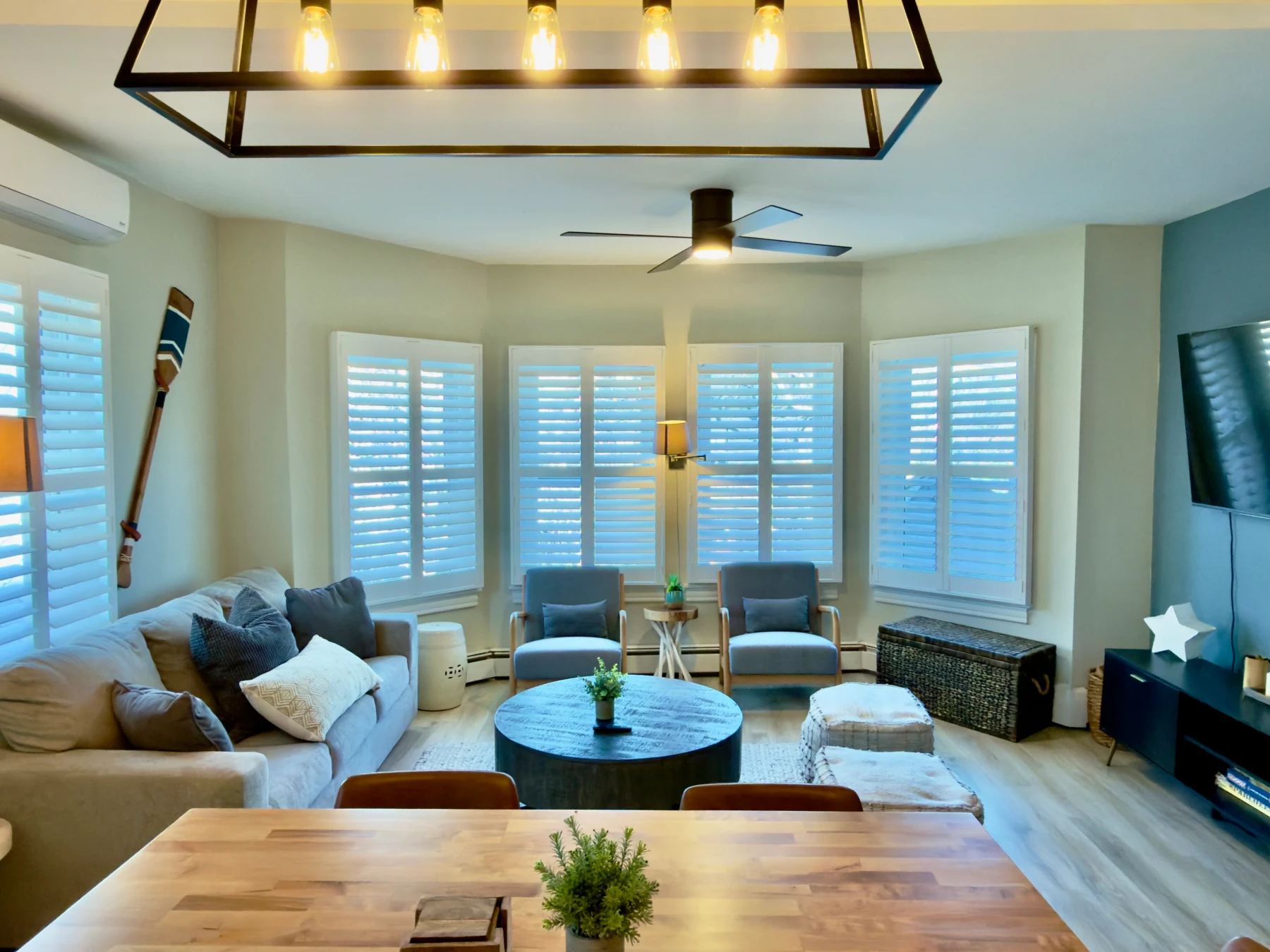
For a family used to a dense beach town, the first impression can feel surprisingly residential. You won’t find a strip of hotels or a busy boardwalk. What you will find is privacy, quiet streets, and, at Cape Pelican, a heated saltwater pool tucked behind a lanai in a neighborhood the property’s own hosts describe as safe and quiet but close to shopping and restaurants.
What Types of Canal Access Should You Know Before Booking?
Cape Coral’s canal system breaks into three functional categories, and each delivers a completely different rental experience. Sailboat-access canals are the deepest and widest, connecting directly to the Gulf with no bridges or fixed obstructions, which makes them the premium choice for anyone bringing a larger boat. Gulf-access canals also reach open water via the Caloosahatchee River or Matlacha Pass but may involve lower bridges, making them ideal for standard powerboats and day trips to Sanibel or Fort Myers Beach.
Freshwater canals, concentrated in the eastern and southern parts of the city, are cut off from the Gulf by a lock system. As a result, they’re unsuitable for powerboats heading to open water but genuinely excellent for kayaking, canoeing, and quiet freshwater fishing. These properties are typically the most affordable of the three types, which makes them attractive if your trip centers on the pool rather than the boat.
Here’s a side-by-side comparison to make the differences concrete:
| Canal Type | Gulf Access | Best For | Typical Price Position |
|---|---|---|---|
| Sailboat-access | Direct, no bridges or locks | Larger boats, deep-draft vessels, serious anglers | Highest |
| Gulf-access | Yes, via river or pass, may include bridges | Powerboats, day trips to Sanibel/Fort Myers Beach | Mid-range |
| Freshwater | No, requires a lock to reach saltwater | Kayaking, canoeing, freshwater fishing, pool-focused stays | Most affordable |
One warning worth repeating: a listing labeled “canal view” does not automatically mean Gulf access. Always confirm directly with the host or property manager whether the canal connects to open water, and whether that connection requires a lock or bridge, before you assume you can bring or rent a boat of any real size.
Which Cape Coral Neighborhoods Have the Best Canal Access?
Cape Coral divides into distinct quadrants, and each one delivers a different canal experience depending on what you’re after. Northwest Cape Coral holds the city’s premium sailboat-access canals near Tarpon Point Marina, and it’s the section boaters and serious anglers gravitate toward for unobstructed Gulf runs. Southwest Cape Coral, especially the Burnt Store area, offers Gulf-access canals with a more direct route to Charlotte Harbor and generally lower price points, which suits fishing groups and families who still want to get out on the water.
Southeast Cape Coral is mostly freshwater canal territory: the most budget-friendly section of the city, marketed honestly as quiet residential with no boating route to the Gulf. Northeast Cape Coral rounds things out as a calmer, largely freshwater residential zone, well suited to families who want peace and a pool over a marina lifestyle.
Cape Pelican sits in a residential waterfront pocket of Cape Coral that its own guest reviews describe as safe and quiet, with Publix roughly 0.6 miles away and Cape Harbor Marina about 1.8 miles out. That marina area, worth calling out specifically, holds several restaurants overlooking the yacht harbor, including Fathoms Restaurant and Bar for pizza, Cape Harbor Oyster Bar and Grill with harbor views, and Rumrunners for waterfront outdoor seating. Duffy’s Sports Grill sits closer still, about 1.6 miles from the villa, and Marker 92 Waterfront Bar & Bistro is roughly 4.3 miles away for a slightly longer but still easy drive.
If your trip is genuinely centered on boating out to open water, prioritize northwest or southwest listings and confirm the canal type in writing. If your priority is a quiet pool-based family week with easy kayaking, a freshwater canal in the southeast or northeast, like the setting around Cape Pelican, is often the smarter and more affordable call.
Are There Gators in the Canals in Cape Coral?
Yes, American alligators do live in some of Cape Coral’s freshwater canals, though they’re far less common in the saltier Gulf-access and sailboat-access waterways closer to open water. Alligators generally prefer the calmer, more brackish or fresh conditions found in the eastern and southern canal networks, and sightings are usually limited to distant, stationary observation rather than close encounters.
As a matter of practical safety, never swim in canal water regardless of which type it is, keep small pets away from the water’s edge at dusk and dawn (prime feeding times), and never feed wildlife of any kind. Guests at Cape Pelican have reported more memorable wildlife encounters with the neighborhood’s resident burrowing owl than with any alligator, a small ground-dwelling owl species protected under Florida law that nests in open, sandy lots. One recent guest review even noted watching the owl stand guard by its burrow across the street from the villa, a distinctly Cape Coral moment you won’t get from a hotel balcony.
Manatees and dolphins are the more headline-worthy wildlife sightings, and they show up almost exclusively in the saltier Gulf-access and sailboat-access canals, particularly in cooler months when manatees seek warmer water. If wildlife-watching from your own dock or lanai is a priority, ask specifically whether the canal has documented manatee or dolphin activity, since this varies block by block.
What Water Activities Can You Actually Do from a Canal Rental?
A canal-access vacation rental in Cape Coral functions as a private launch point for kayaking, fishing, and, on Gulf-access or sailboat-access canals, boating straight out toward Sanibel and Captiva. Kayaking is realistically the most accessible activity regardless of canal type, since paddle craft don’t need deep water or lock passage, and many Cape Coral rentals, Cape Pelican among them, provide complimentary bikes for exploring the neighborhood by land instead.
Specifically, the Caloosahatchee River Park offers a nearby put-in point worth knowing about if your rental’s canal doesn’t connect directly to open water. Four Mile Cove Ecological Preserve is another standout for paddlers: 365 acres of red, black, and white mangroves with a boardwalk and kayak-friendly waterways, and it’s an easy day trip from most Cape Coral neighborhoods.
For anyone with a boat or renting one locally, Sanibel Island runs about 40 minutes from Cape Pelican and Fort Myers Beach about 35 minutes, both reachable by car or, for guests on Gulf-access canals, directly by water. Dolphin-watching tours and fishing charters depart from several area marinas, and the Cape Harbor Marina near Cape Pelican is a convenient staging point for booking a local charter without a long drive.
If you don’t own or plan to rent a boat, don’t count yourself out of the canal lifestyle. A freshwater canal rental with a private pool, like Cape Pelican’s heated saltwater setup surrounded by palm trees and sun loungers, delivers the relaxed waterfront feel without requiring any boating knowledge at all.
When Is the Best Time to Book a Cape Coral Canal Rental?
Peak demand for Cape Coral canal vacation rentals runs from November through March, when snowbirds and northern travelers escape colder weather, and this window sees the highest occupancy rates of the year. According to Master Host market data, Cape Coral short-term rentals hit a peak occupancy rate of 89% in February 2026, well above the average occupancy rate of 63% recorded across the year.
As a result, locally experienced property managers recommend booking a canal-access rental 6 to 12 months ahead of a winter stay, particularly if you need a specific canal type, sailboat-access for a larger boat, for example, or a dock rated for a particular vessel size. Waiting until the month before typically means settling for whatever inventory remains, not the property that actually fits your plans.
Shoulder season, roughly April through June and September through October, brings lower rates and easier availability, plus genuinely pleasant water temperatures for swimming and kayaking. Summer (July and August) is Florida’s hottest and most humid stretch, with regular afternoon thunderstorms; it’s still workable for a canal rental with a pool, since you can time outdoor activities around morning hours, but it’s the least popular season for a reason.
For wildlife viewing specifically, cooler months bring more manatee activity into Gulf-access canals as manatees seek warmer water, while dolphin sightings are more spread across the year. If watching wildlife from your own dock is a priority, aim for a winter or early spring booking window on a Gulf-access or sailboat-access canal rather than a freshwater one.
Is Cape Coral a Good Place for an Airbnb or Vacation Rental Investment?
Cape Coral is one of the largest and most established short-term rental markets in Southwest Florida, supported by more than 3,800 active listings and consistent year-round demand from families, snowbirds, and boaters, according to AirROI’s 2026 data portal. The market’s defining advantage over competing Gulf Coast destinations is its sheer inventory of private pool homes on canals, which lets guests avoid resort-style crowds while still getting waterfront access.
Recent data paints a market with meaningful variation depending on the source and timeframe. Airbtics reported a median 61% occupancy rate and a $219 average daily rate as of late 2026, while AirROI’s more recent figures for the twelve months ending May 2026 put occupancy closer to 37% with average annual revenue of $28,631 per property. Cape Coral Breeze reported a 53.6% occupancy rate for 2026 based on 628,898 booked nights out of 1,172,375 available listing nights, and Getchalet’s January 2026 figures showed a 45% average annual occupancy with a $269 average nightly rate.
The range between these figures reflects differences in methodology and the specific slice of the market each source tracks, but the throughline is consistent: Cape Coral supports genuine, sustained demand across a large number of listings, not just a narrow peak-season spike. For guests, that translates into a dependable, competitively priced market with real inventory variety, from budget-friendly freshwater canal condos to premium sailboat-access villas with private docks.
Which Is Nicer, Cape Coral or Fort Myers?
Cape Coral and Fort Myers serve genuinely different travel purposes, so “nicer” depends entirely on what your trip needs. Cape Coral is almost entirely residential and water-oriented, built around canals, private pool homes, and quiet neighborhoods, with essentially no downtown nightlife district or dense commercial strip. Fort Myers, just across the Caloosahatchee River, offers a more traditional downtown core, a wider range of dining and shopping, and closer proximity to Southwest Florida International Airport.
For a canal-access vacation rental specifically, Cape Coral wins by a wide margin since it holds the overwhelming majority of the region’s canal-front housing stock. Guests who want to dock a boat, kayak from a private lanai, or watch dolphins from a backyard should book in Cape Coral rather than Fort Myers, where waterfront rental inventory is comparatively limited. Guests who want walkable restaurants and a livelier evening scene without a car may prefer Fort Myers as a home base instead.
In practice, many visitors do both: stay canal-side in Cape Coral for the pool, dock, and quiet, then drive 20 to 30 minutes into Fort Myers for a specific restaurant or the Edison and Ford Winter Estates, the historic homes, laboratories, and gardens of Thomas Edison and Henry Ford that make an easy half-day family outing from either city.
Why Are Some People Leaving Cape Coral, FL?
Like many fast-growing Florida cities, Cape Coral has seen population shifts driven primarily by rising home insurance costs, higher property taxes tied to rapid appreciation, and the practical challenges of maintaining canal-front property, including seawall repair and flood insurance requirements. These are homeownership and cost-of-living factors, not safety or quality-of-life concerns, and they generally don’t affect a short-term vacation rental stay in any direct way.
For visitors, none of this changes what makes Cape Coral appealing as a destination: extensive canal access, private pool homes, and a genuinely relaxed pace compared to more built-up Gulf Coast tourist towns. Tourism itself remains strong region-wide; broader Southwest Florida and Cape May County tourism data show visitor spending climbing to $8.44 billion in 2026 (a 4.2% increase over 2026), reflecting durable, growing demand for coastal Florida travel generally.
If you’re weighing whether to book a Cape Coral canal rental given headlines about the city’s growing pains, know that those stories are almost entirely about long-term ownership costs, not about visitor experience, safety, or availability of quality vacation rentals.
What Should First-Time Boaters Know About Cape Coral’s Canal Rules?
Cape Coral enforces standard Florida boating regulations across its canal network, including posted speed limits in manatee zones, no-wake zones near docks and bridges, and mandatory life jackets for children under six. As a first-time boater on an unfamiliar canal system, treat every canal as a residential zone: neighbors dock boats directly off their lanais, and idle speed is expected near any private dock, regardless of posted signage.
Specifically, always check for manatee zone signage before increasing speed, since Southwest Florida’s canals are seasonal manatee habitat and speed violations in these zones carry real fines under Florida Fish and Wildlife Conservation Commission rules. If you’re renting a boat locally rather than bringing your own, ask the rental company directly whether your specific canal connects to open water without a lock, and whether any low bridges along the route restrict your vessel’s height.
For guests without boating experience who still want time on the water, kayak and paddleboard rentals are a lower-stakes entry point, and several Cape Coral vacation rentals, Cape Pelican included, provide complimentary bikes and beach gear as an easier alternative to managing a boat during a short stay.
How Do You Choose the Right Canal Rental If You’re Not Planning to Boat?
If boating isn’t part of your trip, prioritize the pool, the yard, and proximity to grocery stores and restaurants over canal type entirely. A freshwater canal rental is typically the most cost-effective option in this scenario, since you’re not paying a premium for Gulf access you won’t use, and the water in these quieter canals still supports kayaking, fishing, and simply enjoying the view.
Cape Pelican fits this profile well for families and larger groups: a 4-bedroom, 2-bathroom villa with a private heated saltwater pool surrounded by palm trees, a covered lanai, and an outdoor dining table that seats eight. It sleeps up to 10 guests across two kings, one queen, a twin bunk with trundle, and a kids’ pull-out sofa, which makes it a realistic fit for a multigenerational family or a group of friends splitting a week.
Beyond the pool, the villa includes a dedicated home office with a printer and high-speed WiFi, a garage game room with ping pong and darts, and family gear like a Pack ‘n’ Play crib, high chair, and stroller. None of that requires a single trip out on the water, which is exactly the point: you get the Cape Coral canal lifestyle, the quiet, the pool, the lanai evenings, without needing to know anything about boating at all.
What Practical Mistakes Should You Avoid When Booking?
The single most common booking mistake is assuming “canal view” or “waterfront” automatically means Gulf access; confirm this detail directly before booking if boating matters to your trip. The second is underestimating drive times to the actual Gulf beach, which typically runs around 30 minutes from most Cape Coral canal rentals regardless of neighborhood, so plan beach days as a half-day outing rather than a quick dip.
A third mistake is booking too close to a winter arrival date. Given that Cape Coral’s peak season stretches from November through March and occupancy climbs sharply in February, waiting until a month or two before a winter trip often means losing access to the specific canal type or pool setup you wanted. Book 6 to 12 months ahead for that window whenever possible.
Finally, don’t assume every canal rental includes a dock rated for your boat size, even on Gulf-access or sailboat-access canals. Dock capacity varies property to property, so ask directly about maximum boat length and draft before arranging a rental boat or bringing your own trailer.
Frequently Asked Questions
What is Cape Coral, Florida like for a vacation rental with canal access?
Cape Coral is a residential Gulf Coast city built around more than 400 miles of canals, and a canal-access vacation rental here typically means a private lanai, pool, and either direct or lock-restricted access toward the Gulf of Mexico. The experience ranges from boat-ready sailboat-access properties in the northwest to quieter, more affordable freshwater canal homes in the southeast, so the specific canal type shapes the entire trip.
Are there gators in the canals in Cape Coral?
Yes, alligators do live in some of Cape Coral’s freshwater canals, particularly in the calmer, less saline waterways in the eastern and southern parts of the city. They’re far less common in saltier Gulf-access and sailboat-access canals, and sightings from a private dock are typically distant rather than close encounters.
Which is nicer, Cape Coral or Fort Myers?
It depends on the trip. Cape Coral offers extensive canal-front housing, private pools, and a quiet residential feel, making it the clear choice for a waterfront rental, while Fort Myers has a more traditional downtown with denser dining and nightlife options and closer airport access.
Is Cape Coral, Florida a good place for Airbnb or a vacation rental?
Yes. Cape Coral supports one of Southwest Florida’s largest short-term rental markets, with thousands of active listings and consistent demand tied to its canal network. Occupancy and revenue figures vary by data source, ranging from roughly 37% to 63% average annual occupancy depending on the platform and timeframe, but the market shows durable, year-round demand rather than a narrow seasonal spike.
How far is the beach from a Cape Coral canal rental?
Most Cape Coral canal rentals sit roughly a 30-minute drive from the nearest Gulf beach, with Sanibel Island typically around 40 minutes and Fort Myers Beach around 35 minutes. Plan beach visits as a half-day trip rather than a quick walk-over, since Cape Coral itself is not a beachfront town.
Do I need a boat to enjoy a Cape Coral canal rental?
No. Many guests choose a freshwater canal rental specifically because it’s more affordable and still supports kayaking, fishing, and dock-side relaxing without requiring a boat. Properties like Cape Pelican pair the canal-town setting with a private heated pool, making the water part of the experience even for guests who never step on a boat.
When should I book a Cape Coral canal vacation rental?
Book 6 to 12 months ahead for the peak November through March season, when occupancy rates climb sharply and the best canal-type and dock configurations get reserved early. Shoulder season, spring and fall, offers easier availability and lower rates with still-comfortable weather for water activities.
The Bottom Line on Cape Coral Canal Rentals
Cape Coral delivers a genuinely different vacation rhythm than a typical beach town: quiet residential streets, private docks, and more than 400 miles of canals that support everything from serious boating to a lazy afternoon kayak paddle. Whether that canal connects to the Gulf, and whether you even need it to, should drive your booking decision more than any other single factor.
Families who want the pool, the lanai, and the wildlife without managing a boat will find plenty to love in a freshwater canal setting, while boaters should look specifically at northwest or southwest neighborhoods with confirmed sailboat or Gulf access. Either way, book early for the November through March window, and always confirm canal type in writing before you finalize a reservation.
In 2026, Cape Coral remains one of the most established and reliably available canal-town rental markets in Southwest Florida, and a little upfront research on canal type pays off the moment you step onto the lanai for the first time.
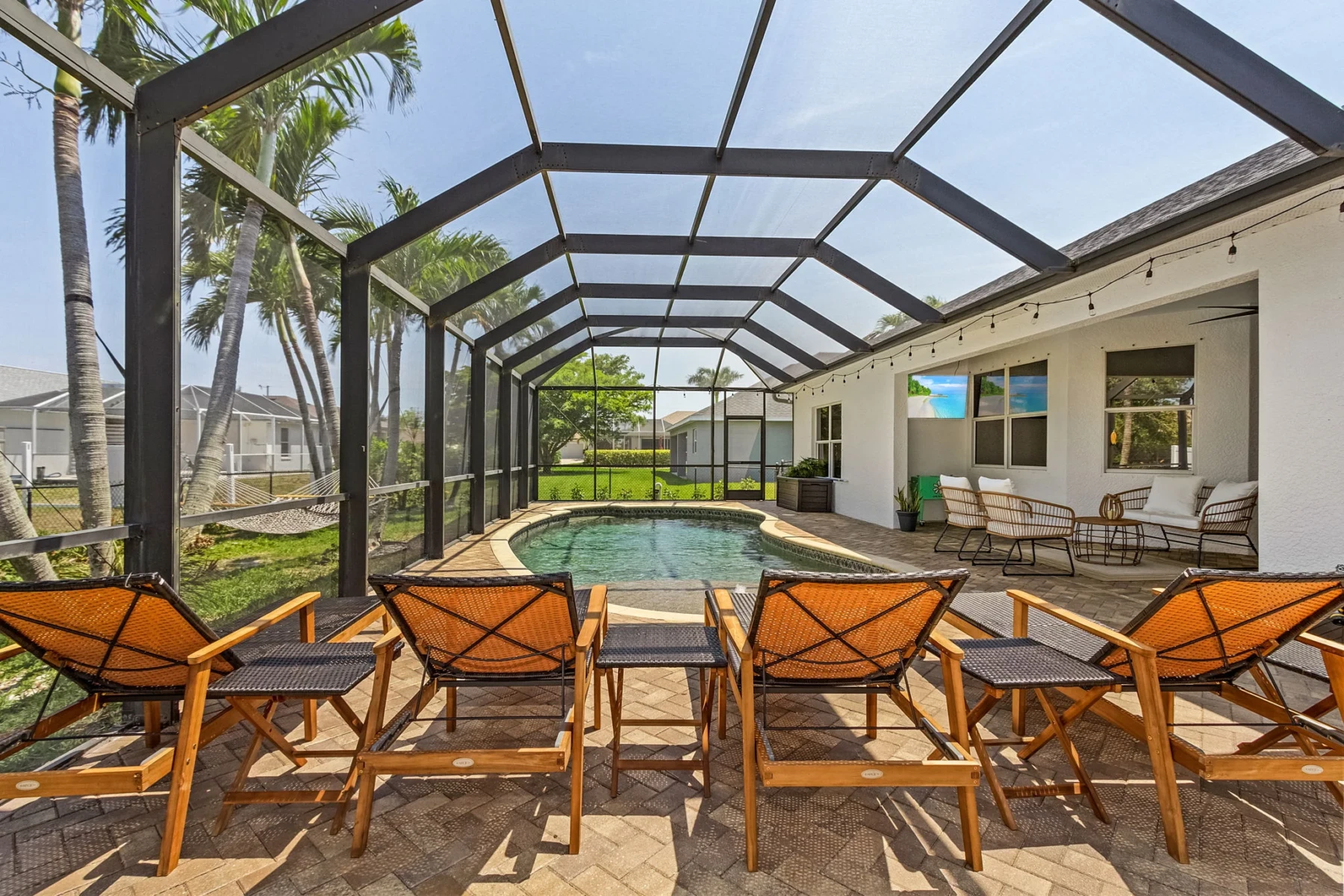
If a quiet, pool-centered Cape Coral canal experience sounds like your trip, Cape Pelican puts a heated saltwater pool and covered lanai just minutes from Cape Coral Marina, no boat required. Check availability and see photos here.