
P Town vacation rentals, meaning short-term rental homes and condos in Provincetown, Massachusetts, range from studio apartments starting around $30 a night on Airbnb to 11-bedroom estates listed through Homes & Villas by Marriott. Inventory runs from roughly 990 to over 1,400 active listings depending on the platform, with prices swinging hard by season: February averages around $150 a night, while June can hit $911. If you’re comparing coastal New England rentals against other historic seaside markets, Cape May, New Jersey offers a walkable, Victorian-era alternative with a longer season and steadier pricing.
Key Takeaways
- Provincetown vacation rental inventory spans roughly 990 to 1,433 active listings across platforms including Airbnb, Vrbo, and HomeToGo, per each platform’s own 2026 counts.
- Nightly rates swing from a February average near $150 to a June average near $911.
- Saturday nights average $1,272, nearly triple Wednesday’s $383 average, so shifting your stay by a few days changes the total cost significantly.
- Only about 200 of Airbnb’s roughly 990 Provincetown listings welcome pets, and just 60 have pools, so filtering early matters.
- Provincetown has more than 30 miles of beaches but only two lifeguarded ones: Herring Cove and Race Point.
- Cape May, New Jersey offers a comparable historic-district, walk-everywhere rental experience with National Historic Landmark architecture dating to 1976 and a beach season that runs longer into fall.
Provincetown sits at the very tip of Cape Cod, a fishing-village-turned-arts-colony where whale watching boats share the harbor with gallery openings along a mile-long stretch of Commercial Street. The town’s rental market is dense and competitive, built around short peak weeks in July and August when nightly rates triple.
If you’re searching “p town vacation rentals” in 2026, you’re probably trying to figure out where to stay and how much it costs by month, and whether the rental you’re eyeing is close enough to Commercial Street, the ferry terminal, or a lifeguarded beach to skip renting a car. This guide breaks down inventory, pricing, and neighborhoods, plus the practical questions competitors gloss over, and an honest look at how a Cape May stay compares if you’re weighing a different historic coastal town for your next trip.
What Types of P Town Vacation Rentals Are Available?
P Town vacation rentals fall into three main categories: condos, standalone houses, and studio apartments, with condos making up the largest share of managed inventory. Vacasa, one of the larger property managers in town, lists 59 total rentals broken into 32 condos, 16 houses, and 7 studios. Vrbo’s broader marketplace shows a different mix entirely, with 1,320 total listings split into 209 houses and 328 flats, reflecting how many individual owners list directly rather than through a single management company.
Waterfront condos tend to cluster in two areas: the East End gallery district along Commercial Street, and Bay Colony, a quieter stretch with Cape Cod Bay views. One example cited by the town’s own tourism resources and aggregator cozycozy describes a 2,240 square foot waterfront condo sleeping up to 6 guests with 3 bedrooms, 2 bathrooms, and on-site parking for 3 cars, a rare find in a town where parking is famously tight.
Standalone houses skew toward families and larger groups, often with 3 or more bedrooms, while studios and one-bedroom units suit couples or solo travelers who plan to spend most of their time out exploring. If you’re booking for a group larger than 6, expect to pay a premium and to book earlier, since large houses turn over fast in peak summer.
How Much Do P Town Vacation Rentals Cost by Season?
P Town vacation rental prices vary more by month than almost any other coastal New England market, ranging from a February low near $150 a night to a June high near $911. This roughly six-fold swing means the same condo that costs $150 a night in the dead of winter can run $900 or more during peak season, so timing your trip changes your budget more than almost any other single decision.
| Data Point | Figure | Source |
|---|---|---|
| Cheapest month (average nightly rate) | February, approximately $150 | KAYAK |
| Most expensive month (average nightly rate) | June, approximately $911 | KAYAK |
| Cheapest night of the week | Wednesday, approximately $383 | KAYAK |
| Most expensive night of the week | Saturday, approximately $1,272 | KAYAK |
| Vacation home starting rate | From $215/night | HomeToGo |
| Condo average rate | Approximately $695/night | HomeToGo |
| House rental average rate | Approximately $1,137/night | HomeToGo |
The weekday-versus-weekend gap is just as dramatic as the seasonal one. A Wednesday night averaging $383 against a Saturday averaging $1,272 means a Sunday-to-Wednesday trip can cost less than half of a Friday-to-Sunday weekend, even in the same week. If your schedule is flexible, shifting your check-in day by 48 hours is the easiest way to cut cost without sacrificing season.
For context on how this compares to another historic shore town, Cape May County’s rental market runs steadier: average daily rates fall in the $431 to $579 range across the season rather than swinging six-fold the way Provincetown’s does. That narrower price band matters if you’re trying to budget predictably rather than chase shoulder-season discounts.
Which Neighborhoods Should You Book In?
The best P Town vacation rental neighborhoods depend on whether you prioritize nightlife, quiet, or beach access. The East End, West End, and Bay Colony each offer a distinctly different experience within the same small town. Commercial Street runs the length of downtown and acts as the town’s main artery for restaurants, galleries, and foot traffic, so proximity to it is the single biggest factor in whether you’ll need a car.
The East End gallery district sits closest to the Provincetown Art Association and Museum and clusters art galleries alongside rental buildings directly on Commercial Street, with some units offering immediate beach access from a third-floor walkup. This area suits travelers who want to walk out the door into the action but also want a slightly calmer stretch than the town center itself.
The West End, by contrast, sits closer to the ferry terminal and tends to be quieter at night while still an easy walk to downtown. Bay Colony, further out, trades walkability for Cape Cod Bay views and proximity to the Maple Grove Bird Sanctuary, roughly half a mile away, making it a better fit if you’d rather drive in for dinner than live in the middle of foot traffic.
One gap most rental guides skip entirely: whether you actually need a car. If you’re staying anywhere within a few blocks of Commercial Street, you likely don’t. Parking is limited and metered in-season, and many East End and downtown units don’t include a dedicated spot. Bay Colony and outlying West End rentals are more likely to include parking but require a car for daily errands and dinner.
What Amenities Should You Filter For?
Amenity filtering matters more in Provincetown than in most rental markets because pet-friendly and pool-equipped units make up a small minority of total inventory. Of Airbnb’s roughly 990 Provincetown listings, only about 200 welcome pets and just 60 feature a pool, meaning if either amenity is non-negotiable for your trip, you’re searching a much smaller pool of available units than the headline inventory number suggests.
Wi-Fi access is close to universal, with Vacasa reporting 109 of its rentals offering internet access, so remote work during a shoulder-season stay is rarely a problem. Standard check-in across most Provincetown property managers runs 4:00 p.m. with checkout at 10:00 a.m., matching typical New England vacation rental norms.
Dog-friendly units specifically average $764 a night according to HomeToGo, roughly $70 higher than the platform’s overall condo average, reflecting how limited that inventory really is. If you’re traveling with a pet and want more predictable pet-friendly options without hunting through a small slice of listings, it’s worth comparing markets where pet policies are clearly labeled property by property. Cape May, for example, publishes exactly which listings welcome dogs and which don’t, an approach we cover in our pet-friendly vacation guide for Cape May.
Is P Town Worth It?
Provincetown is worth visiting for its walkable art galleries, a distinct small-town character at the tip of Cape Cod, and beach access most East Coast towns can’t match, with more than 30 miles of shoreline. The tradeoff is cost concentration: nearly all of the value depends on avoiding peak summer weekends, when rates roughly triple and the town gets crowded enough that dinner reservations and parking both become genuine planning problems.
Visiting in a shoulder month , May, late September, or October , gets you the same galleries, the same Pilgrim Monument views, and the same working harbor without June-through-August pricing or crowd levels. The two lifeguarded beaches, Herring Cove with its calmer water and Race Point with longer breakers, are both worth the trip regardless of season, though swimming conditions and lifeguard coverage are seasonal.
Where Provincetown falls short for some travelers is predictability. A destination where Saturday night costs three times a Wednesday night, and where June costs six times February, is harder to budget for than a market with steadier year-round demand. If that unpredictability is a dealbreaker, a market like Cape May, which drew over 12 million visitors in 2026, spreads demand more evenly across a longer season.
Which Is Better to Visit, Provincetown or Nantucket?
Provincetown and Nantucket both sit off the Massachusetts coast, but they serve different trip styles: Provincetown leans into arts, nightlife, and a walkable downtown corridor, while Nantucket leans into quieter, more understated New England charm with cobblestone streets and a slower pace. Getting to either requires a ferry or short flight, since neither is a simple drive-up destination the way a Jersey Shore town is.
Provincetown’s Commercial Street corridor and gallery scene give it a livelier, more social evening atmosphere, while Nantucket tends to draw travelers seeking historic whaling-village character without the density of foot traffic. Neither island offers the same drive-up convenience as a mainland shore town, which is worth weighing if you’re traveling with young kids or a car full of beach gear.
For travelers who want walkable Victorian architecture and beach access without a ferry crossing at all, Cape May offers a comparable historic-town feel by car. The things to do in Cape May guide covers the town’s own gallery-adjacent shopping district and beachfront in more detail.
Is P Town Expensive?
Provincetown runs expensive during peak summer, with June averaging $911 a night and Saturday nights averaging $1,272, but it becomes considerably more affordable in shoulder and off-season months, dropping to roughly $150 a night in February. Travelers who can shift their trip to May, late September, or October access the same town at a fraction of peak cost.
Beyond nightly rates, budget for parking, which is limited and often metered in the downtown core, and for dining, since Provincetown’s restaurant scene skews toward tourist-season pricing in July and August. Groceries and errands generally require a car unless you’re staying directly on Commercial Street.
By comparison, Cape May County’s rental market runs an average daily rate in the $431 to $579 range depending on the data source, according to AirDNA. That’s a materially different cost profile across a full-week stay than Provincetown’s peak-summer pricing, particularly for travelers booking multiple nights in June, July, or August.
What Should You Know Before Booking (The Details Most Guides Skip)
Before booking any Provincetown rental, confirm minimum-stay requirements and whether a car is genuinely necessary for your specific unit’s location. Minimum-stay requirements often run 3 to 7 nights during July and August across individually owned listings, tightening availability for shorter trips exactly when demand is highest.
“P Town” is simply local shorthand for Provincetown, Massachusetts, used interchangeably with the full name in casual conversation, rental listings, and local business names. Searching either term should return the same market.
On car necessity: if your rental sits within roughly four to six blocks of Commercial Street, you can go car-free for the entire stay, walking to restaurants, the ferry dock, and most galleries. Anything in Bay Colony or the outer West End typically requires a car for groceries, dinner, and beach access, since sidewalks thin out and distances stretch beyond a comfortable walk, especially with kids or beach gear in tow.
Platform comparison matters more than most travelers realize. Vacasa, Airbnb, Vrbo, and HomeToGo each show different inventory counts and pricing because they aggregate different subsets of owners and managers; cross-checking two platforms before booking often surfaces a better rate or a unit that isn’t listed everywhere. Locally rooted operators such as Dyer’s Vacation Rentals, headquartered on Commercial Street, sit near cultural anchors like Provincetown Theater and the Provincetown Art Association and Museum, giving a sense of how concentrated the East End’s cultural corridor really is.
How Does Cape May Compare as a Historic Coastal Rental Alternative?
Cape May, New Jersey offers a walkable, Victorian-era rental market comparable to Provincetown’s historic character, but with a longer, more evenly distributed tourist season and no ferry crossing required. Cape May’s historic district earned National Historic Landmark designation on May 11, 1976, and its late-Victorian architecture , gingerbread trim, wraparound porches, gas-lamp streetlights , remains the town’s defining feature, much as Commercial Street’s gallery rows define Provincetown’s identity.
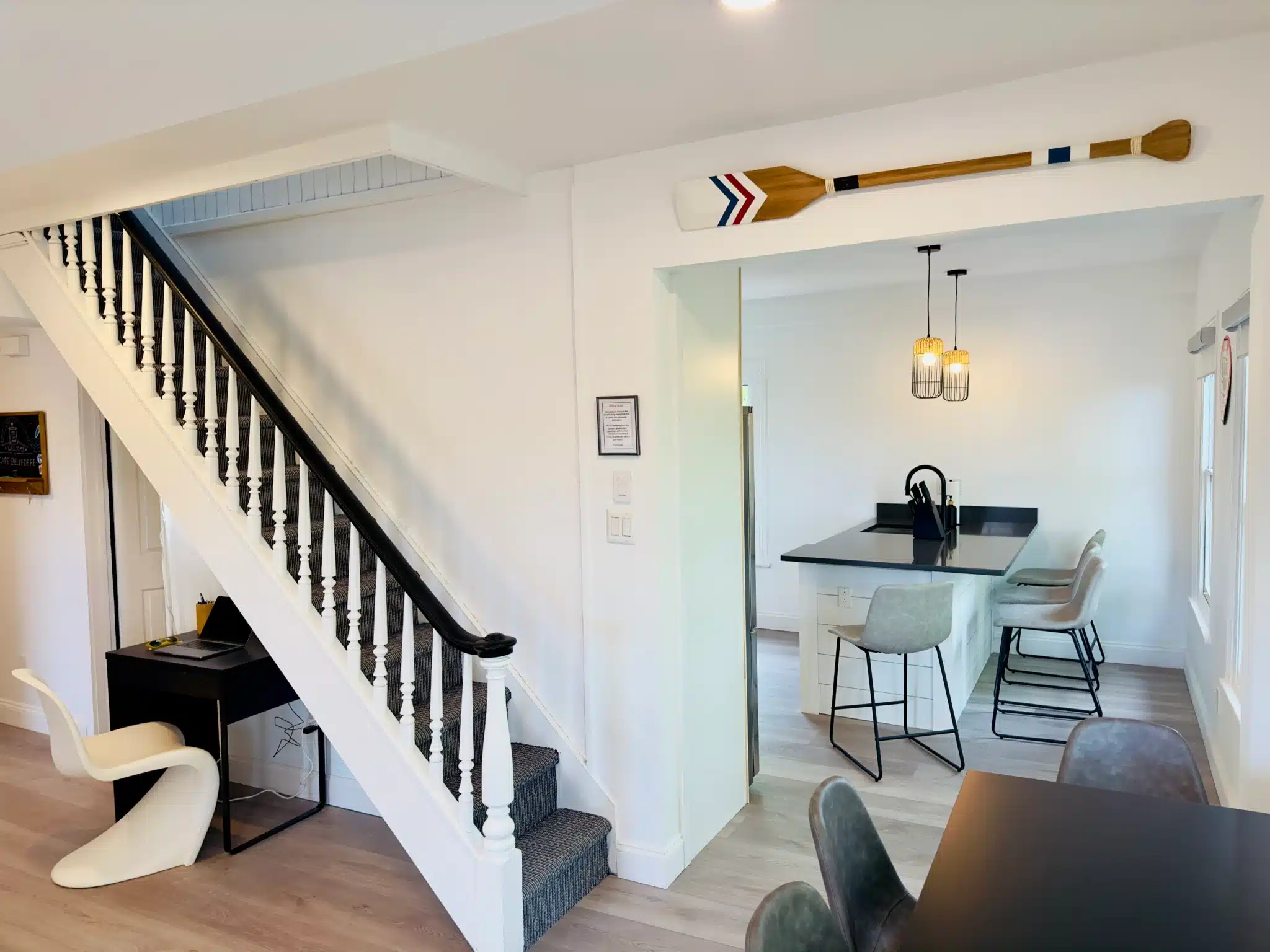
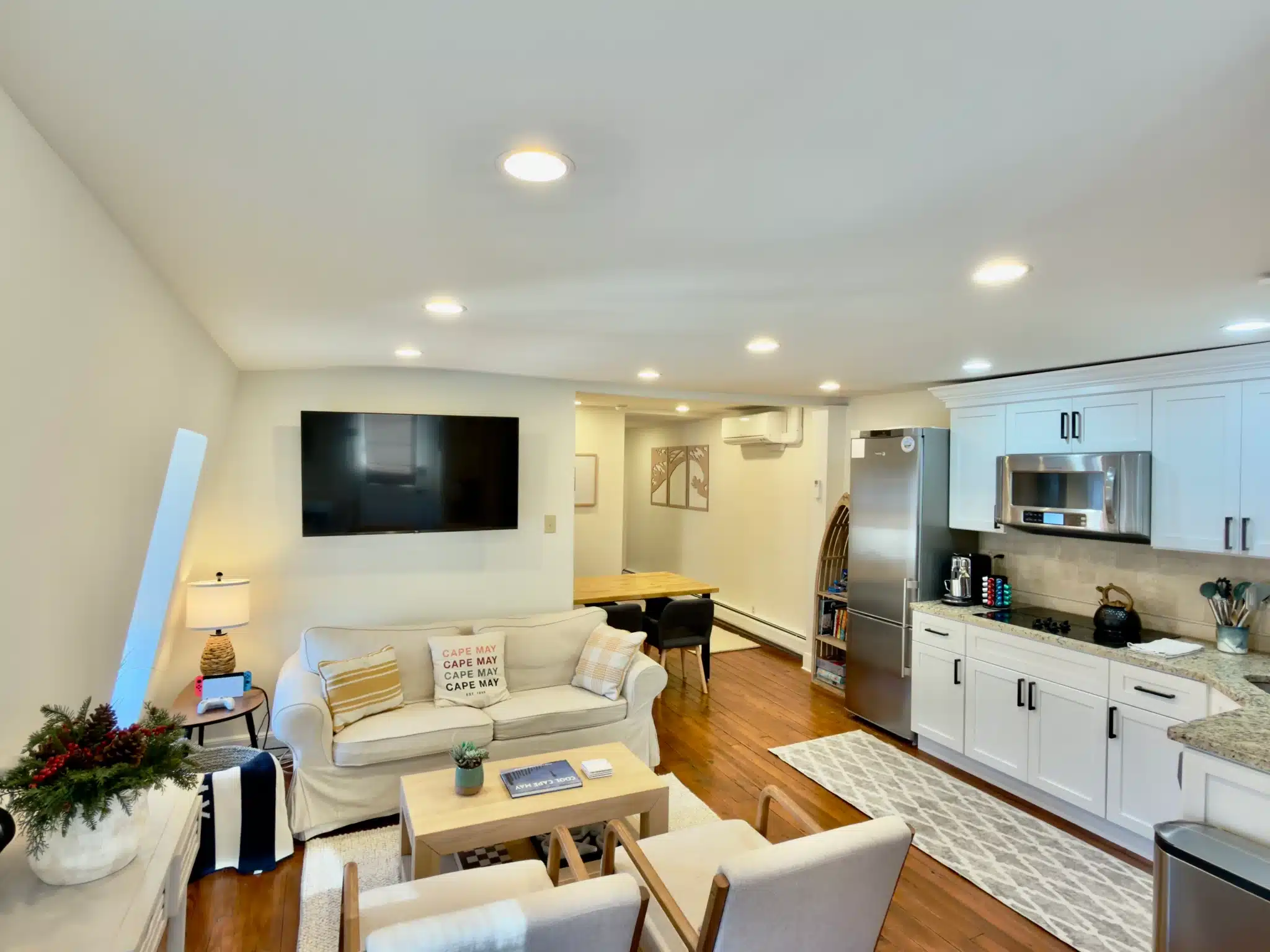
As a direct booking operator based in Cape May, we run six properties inside or immediately adjacent to that historic district, and the parallels to Provincetown’s rental market are worth knowing if you’re comparing the two towns. Cape Belvedere, our top-floor 2-bedroom, 2-bathroom condo in the Belvedere building, sleeps up to 8 guests and sits two minutes from Congress Hall and a block from the Washington Street Mall, Cape May’s answer to Commercial Street’s shopping corridor. A private cupola with lounge chairs gives sunset views stretching to Delaware on clear days, and four complimentary seasonal beach passes come with every stay through mid-September.
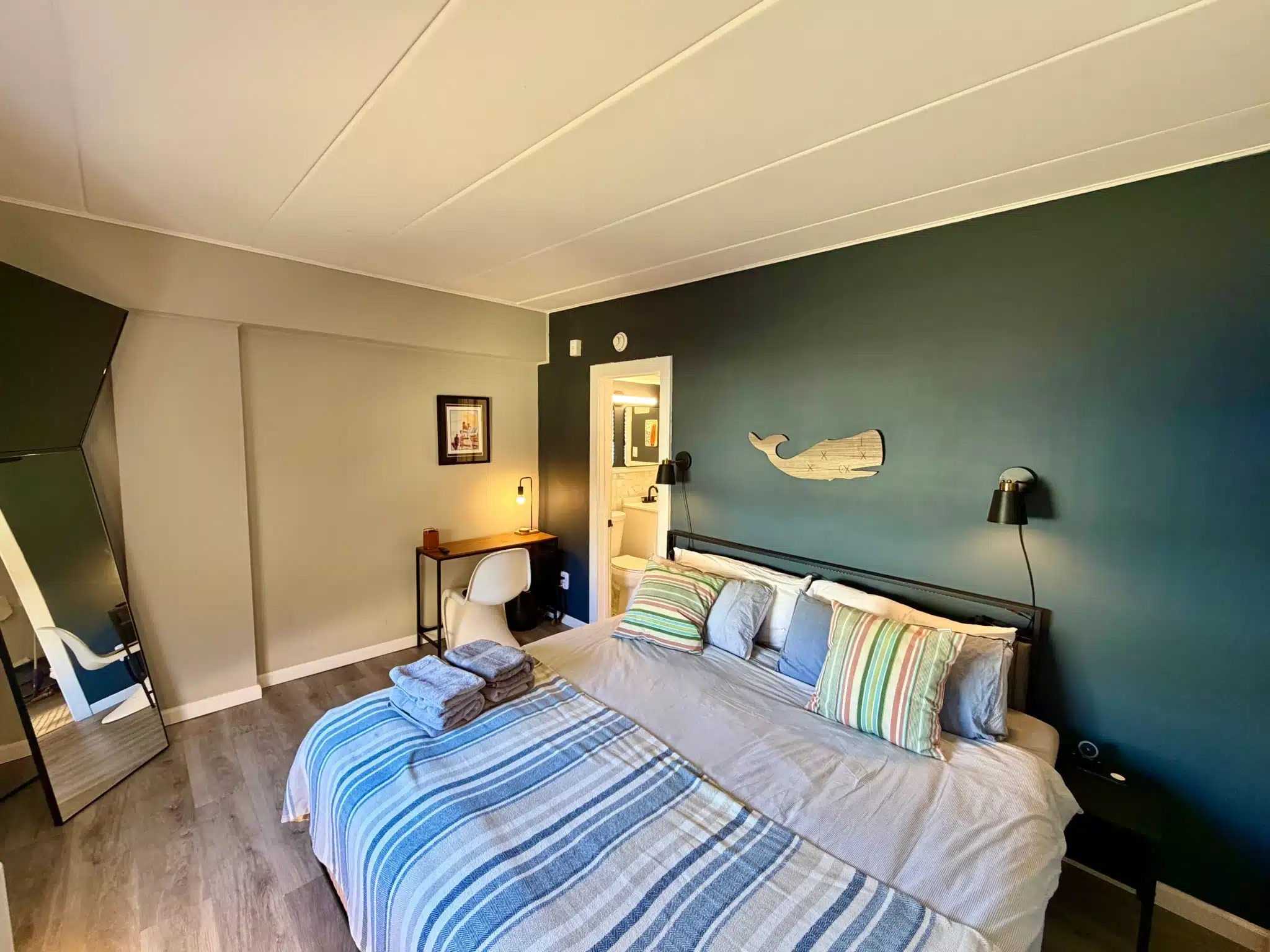
For couples or a small family who want beachfront proximity without Provincetown’s premium pricing, Cape Whale sits directly across from the beach inside the historic Baronet Mansion, a 1-bedroom, 1-bathroom condo with a king bed, two smart TVs, and free on-site parking, a detail Provincetown listings rarely offer at this price point given the town’s parking scarcity. Its sister unit, Cape Surf, adds two complimentary beach tags plus beach chairs and an umbrella, and welcomes well-behaved dogs with no extra pet fee, addressing exactly the pet-policy frustration that limits so much of Provincetown’s own inventory.
Families needing more room should look at Cape Wave, a renovated top-floor loft inside an 1860 Victorian house with two bedrooms, two bathrooms, a rooftop deck, and a 5-minute walk to the beach, sleeping up to 4. For solo travelers or couples who want a private patio and full wheelchair accessibility, Cape Oar offers an 800-square-foot apartment one block from Washington Street Mall with a queen sleeper sofa for flexible sleeping up to 4 guests. And for larger groups chasing a Florida escape instead, Cape Pelican in Cape Coral sleeps up to 10 across 4 bedrooms with a private heated saltwater pool, a game room, and a home office, five minutes from Cape Coral Marina.

Every one of these properties is bookable directly, skipping the third-party service fees layered onto most OTA listings. If you’re weighing where to stay more broadly across the town, our neighborhood-by-neighborhood Cape May guide breaks down which stretch of town suits which travel style, and our complete first-timer’s guide to planning a Cape May trip covers logistics from arrival to daily itinerary.
How Do You Choose Between P Town Rentals and a Cape May Stay?
Choosing between a P Town vacation rental and a Cape May property comes down to how far you’re willing to travel, how much seasonal price swing you can tolerate, and whether beach access needs to be immediate or a short walk. Provincetown requires a ferry or flight for most East Coast travelers outside New England, while Cape May is a straightforward drive for the Philadelphia, New York, and D.C. metro areas covered in our Philadelphia trip planning guide.
On pricing, Provincetown’s roughly $150 to $911 monthly swing demands precise timing to get value, while Cape May’s rental market, averaging in the $431 to $579 daily rate range per AirDNA, moves less dramatically across the season, making it easier to book a July trip without paying June-versus-February-level price gaps.
On amenities, look for pet policies stated explicitly per listing rather than buried in a house manual, confirm parking is included rather than street-only, and check whether beach access is truly walkable or requires a shuttle. A common mistake is booking a unit sight-unseen on a minimum-stay weekend without checking cancellation flexibility, or assuming every listing in a gallery district or historic district includes a parking spot: many older buildings in both towns simply don’t have room for one.
Frequently Asked Questions
What does “P Town” mean?
P Town is local shorthand for Provincetown, Massachusetts, a fishing-village-turned-arts-colony at the northern tip of Cape Cod. The nickname is used interchangeably with the full name across rental listings, local businesses, and casual conversation, and both terms return the same market when searching.
How many vacation rentals are available in Provincetown?
Inventory counts vary by platform: Airbnb lists around 990 rentals, HomeToGo shows 1,433 vacation homes, and Vrbo reports 1,320 listings split into 209 houses and 328 flats. The variation reflects differences in which owners and managers list on each platform rather than one definitive total.
What is the cheapest time of year to book a P Town vacation rental?
February is the cheapest month to book, averaging around $150 a night. Rates climb steadily through spring and peak in June at an average of $911 a night, so shoulder months like May and late September offer a middle ground between cost and warmer weather.
Are there pet-friendly vacation rentals in Provincetown?
Yes, but the selection is limited. Of Airbnb’s roughly 990 Provincetown listings, only about 200 welcome pets, and HomeToGo shows 316 dog-friendly homes averaging $764 a night, notably higher than the platform’s general condo average. Confirm pet policy and any fees directly with the listing before booking.
Do you need a car to stay in Provincetown?
Not if your rental sits within a few blocks of Commercial Street, the town’s main walkable corridor for restaurants and shops. Rentals in outlying areas like Bay Colony or the far West End typically require a car for groceries, dinner, and beach access.
How does Cape May compare to Provincetown for a beach rental trip?
Cape May offers a similarly walkable, historically preserved rental market , its historic district was designated a National Historic Landmark in 1976 , without requiring a ferry crossing, and its tourist season and pricing are spread more evenly across the year. Cape May County drew over 12 million visitors in 2026, with average rental daily rates in the $431 to $579 range.
Which Provincetown beaches have lifeguards?
Herring Cove and Race Point are Provincetown’s two lifeguarded beaches, out of more than 30 miles of total shoreline. Herring Cove tends to have calmer water, while Race Point sees longer breakers, so choose based on whether you’re swimming with young kids or want more active surf.
The Bottom Line on Booking a Coastal Rental in 2026
P Town vacation rentals deliver a distinct arts-town experience with beach access most East Coast destinations can’t match, but the market rewards careful timing far more than most rental markets do. Book outside the June-through-August window, confirm pet and parking policies before you pay a deposit, and choose a location within walking distance of Commercial Street.
If a ferry crossing and a six-fold seasonal price swing aren’t what you’re looking for in 2026, Cape May’s historic district offers a comparable walk-everywhere, Victorian-architecture experience with steadier year-round pricing and a straightforward drive from the Northeast corridor. Whichever town you choose, book the specific unit that matches your group size and pet needs rather than assuming every listing in a gallery district or historic district works the same way.

If you’re comparing coastal rental markets and want walkable Victorian charm without the ferry, Cape Belvedere puts you two minutes from Congress Hall and a block from Cape May’s own shopping corridor, with a private cupola for sunset watching most rentals can’t offer. Check availability and see photos here.