

For guests, Airbnb generally offers more listings, better filtering tools, and a larger inventory of unique stays like historic condos and design-forward apartments, while VRBO tends to work better for larger family groups renting whole homes without shared spaces. In Cape May, New Jersey, where 1,457 vacation rentals compete across both platforms, the practical difference for most travelers comes down to fee transparency, cancellation flexibility, and how easily you can verify a listing’s history before you book.
Key Takeaways
- Cape May short-term rentals on Airbnb and Vrbo average 51% occupancy with a $575 average daily rate, according to Airbnb market data for the region in 2026.
- Airbnb generally has a deeper inventory of small, unique condo and apartment stays, while VRBO leans toward whole-home rentals with fewer shared-space arrangements.
- Guests in Cape May typically book their Airbnb stay about 78 days in advance, per AirROI data, meaning both platforms reward early planning during peak summer months.
- Both platforms charge guest service fees on top of the nightly rate; booking directly with a property owner, like Cape del Mar, removes that markup entirely.
- Neither platform verifies eco-friendly amenities, pet policies, or historic-district details as thoroughly as a direct property page can, which matters for travelers with specific needs.
- AirDNA, an industry data platform, tracks performance across 10 million Airbnb, Vrbo, and Booking.com listings in 120,000 markets worldwide, underscoring how much competition guests are sorting through on either app.
If you have ever opened both apps side by side while planning a Cape May trip, you already know the frustration: two nearly identical condos, two different fee structures, and no clear way to know which host actually answers messages fast. The “airbnb vs vrbo for guests” debate gets treated online like a brand loyalty question, when it is really a logistics question about fees, flexibility, and how much you trust a listing’s description.
This matters more in 2026 than it did five years ago. Cape May’s rental market has grown dense, competitive, and, frankly, a little confusing for first-time visitors trying to book a week near Washington Street Mall or the beach. We manage properties in this exact market at Cape del Mar, so we see both platforms daily from the host side, cancellations, fee disputes, review systems, and all.
Below, we bust the common myths guests repeat about Airbnb versus VRBO, back each correction with verifiable specifics, and show where booking direct with a local owner beats either platform outright.
Myth: Airbnb Always Has Lower Prices Than VRBO
This is false. Airbnb’s advertised nightly rate is rarely the full price, since both platforms add a guest service fee calculated as a percentage of the subtotal, on top of the host’s cleaning fee and any local occupancy tax. VRBO applies a similar structure, so the “cheaper platform” question depends entirely on the individual listing, not the app itself.
In Cape May specifically, the average daily rate across Airbnb and Vrbo listings sits around $575, based on Airbnb market data covering the 1,457 active rentals in the area. That figure varies wildly by neighborhood, unit size, and season, and it does not include the service fees stacked on top at checkout. A $400-a-night condo can easily land at $475 or more once fees clear.
The one guaranteed way to avoid the markup is booking direct. When you reserve Cape Belvedere straight through Cape del Mar instead of through a third-party app, there is no guest service fee layered onto the nightly rate. The price quoted is closer to the price paid.
Myth: VRBO Listings Are Always Whole Homes With No Shared Spaces
VRBO does skew toward whole-home and villa rentals more than Airbnb, but “always” overstates it. Plenty of VRBO listings include shared driveways, shared laundry, or duplex arrangements, particularly in dense historic districts like Cape May’s, where many Victorian-era buildings were subdivided into multiple units decades ago.
Airbnb, by contrast, built its early reputation on shared and partial-access stays, but a large share of its current inventory is entire-unit rentals too. As of 2026, Airbnb reported over 2.5 billion guest arrivals and roughly five million hosts globally, according to Statista, spanning every configuration from shared rooms to full estates.
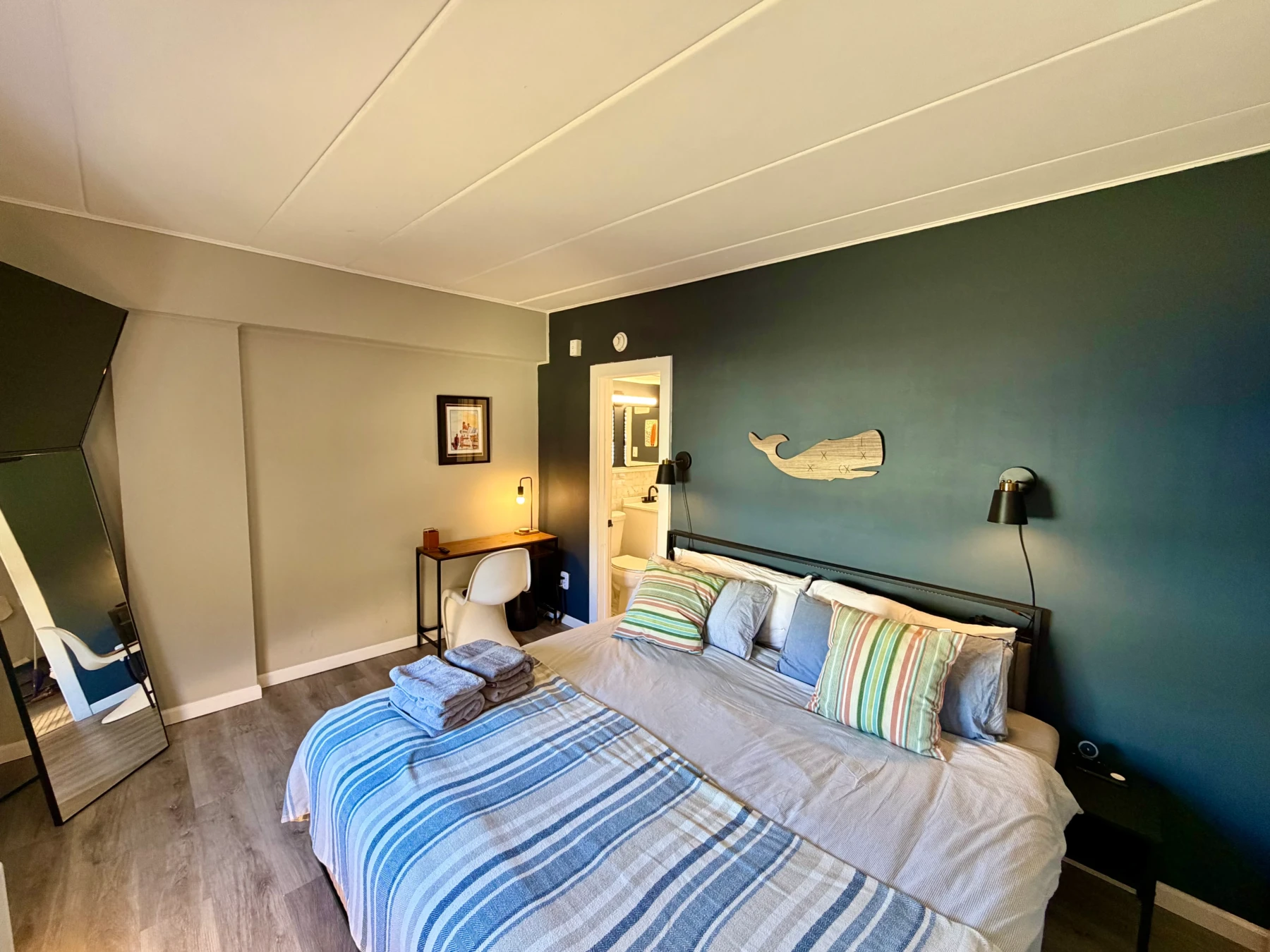
The real signal you want as a guest is not the platform logo, it is the listing description itself. A property like Cape Whale, for example, gives guests the entire condo with a joint porch and joint laundry, a specific arrangement worth knowing before you book, regardless of which app you find it on.
Myth: Airbnb and VRBO Verify Every Listing’s Amenities Before Publishing
Neither platform independently inspects a property before it goes live. Hosts self-report amenities, square footage, and photos, and the platforms rely on guest reviews after the fact to catch discrepancies. This means a “pet-friendly” tag or an “eco-friendly” claim is only as accurate as the host who entered it.
For travelers prioritizing something specific, pet policies, organic toiletries, water filtration, the platform search filter alone will not confirm the details. You have to read the full listing description, and even then, some hosts leave gaps.
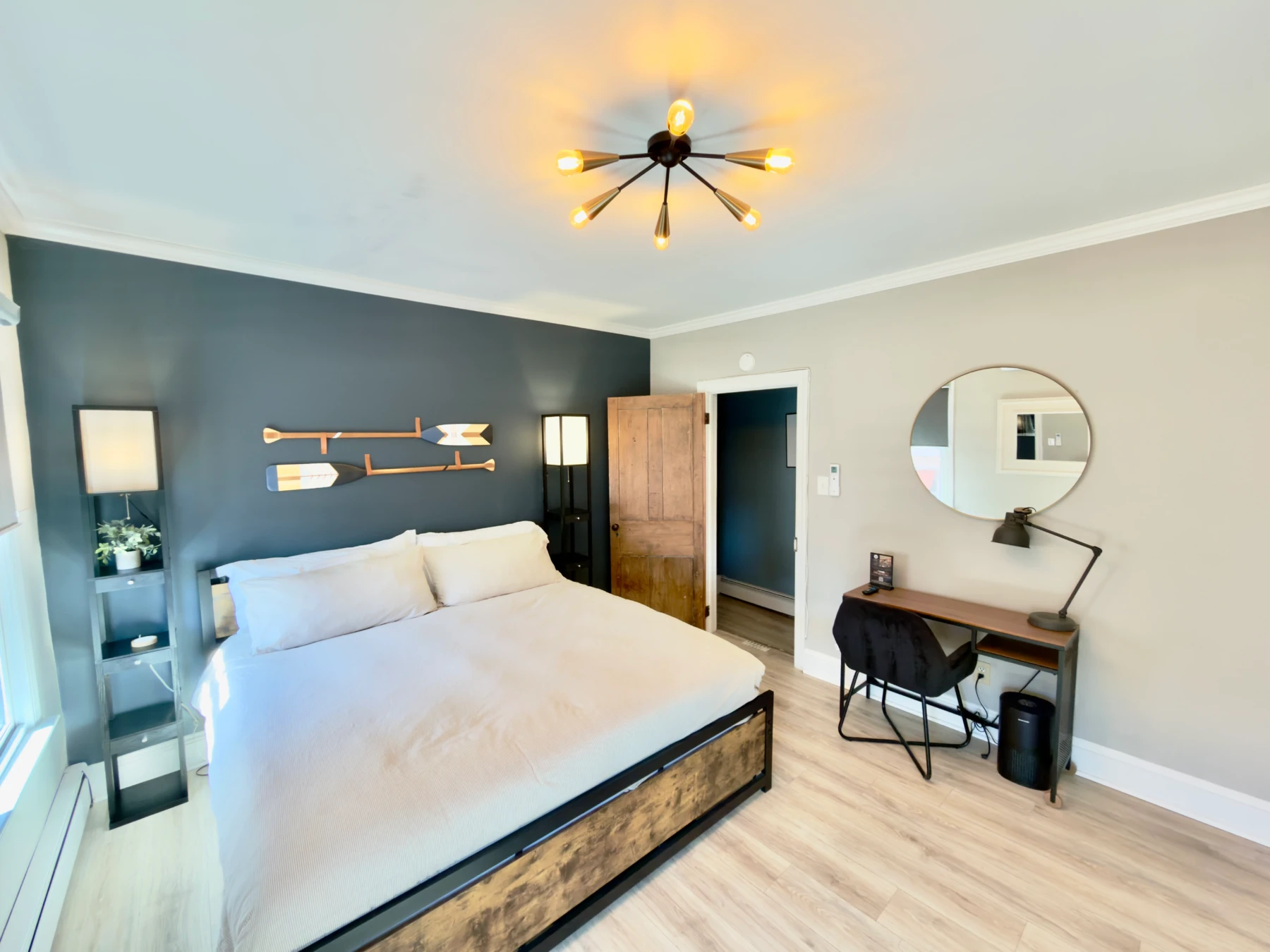
At Cape del Mar, we treat this transparency requirement seriously across our own six-property portfolio in Cape May, New Jersey and Cape Coral, Florida. Cape Surf and Cape Whale both explicitly welcome well-behaved pets with no hidden restrictions, while Cape Oar is wheelchair accessible, a detail that rarely surfaces clearly in generic OTA filter results. Specificity like this is exactly what a general platform search cannot guarantee.
Myth: Cancellation Policies Are Identical Across Both Platforms
Cancellation policies on Airbnb and VRBO are set individually by each host within a menu of platform-approved tiers, ranging from flexible to strict, so two listings on the same app can have completely different refund terms. As a result, guests cannot assume consistency just because they are booking through the same platform twice.
This distinction matters most during Cape May’s shoulder seasons, spring and fall, when weather uncertainty makes flexible cancellation genuinely valuable. A strict policy booked in March for a September trip can lock in a nonrefundable deposit five or six months out.
Always read the specific cancellation window listed on the individual property page, not the general platform policy page, before entering payment information. This single step prevents the majority of guest cancellation complaints we hear about secondhand from travelers who assumed all listings worked the same way.
Myth: You Get the Same Customer Support Whether You Book on Airbnb, VRBO, or Direct
Customer support quality depends far more on the individual host’s responsiveness than on which platform routes the message. Airbnb and VRBO both offer app-based messaging and a resolution center for disputes, but response times vary host to host, and platform-level support typically only intervenes after a guest and host cannot resolve an issue directly.
Booking direct changes this dynamic because there is no algorithm or app inbox between the guest and the property owner. When you book Cape Belvedere or Cape Wave directly through Cape del Mar, you are messaging Julia and Hanno, the actual hosts, not a support queue.
This matters most in real-time situations: a lockbox code that is not working at 9pm, a question about parking before check-in, or confirming beach tag availability during peak July weeks. Direct hosts who live and work in the market tend to answer faster because there is no third-party layer to route through.
Myth: Booking Through an App Is Always Safer Than Booking Direct
This myth persists because platforms market their guarantee programs heavily, but “safer” depends on what risk you are weighing. Airbnb and VRBO both offer payment protection and dispute mediation, which genuinely helps with unfamiliar hosts in unfamiliar markets. That protection has real value for first-time renters booking sight unseen.
However, booking direct with an established, reviewable local operator carries its own trust signals: a real business website, years of guest reviews visible across multiple platforms, and a physical presence in the market you are visiting. Cape del Mar’s properties, for instance, sit inside Cape May’s historic district, designated a National Historic Landmark on May 11, 1976, a detail any guest can verify independently.
The safest approach for most travelers is a hybrid one: use Airbnb or VRBO to discover a market and compare pricing, then check whether the specific property also lists a direct booking option, which often includes the same reviews and photos without the added service fee.
Myth: Larger Groups Are Always Better Served by VRBO’s Whole-Home Model
Group size compatibility depends on the specific property’s bedroom count and layout, not the platform hosting the listing. A four-bedroom villa works for a group of ten whether it is booked through VRBO, Airbnb, or a direct site, and a one-bedroom condo does not expand capacity just because it is listed on one app versus another.
For a Cape Coral multigenerational trip, Cape Pelican sleeps up to 10 guests across four bedrooms (two kings, one queen, one twin bunk with trundle) with two full bathrooms, a heated saltwater pool, and a private home office for anyone who needs to check email between beach days. That kind of specific capacity match matters far more than platform brand loyalty.
For a Cape May group of similar size, Cape Belvedere accommodates up to 8 guests across two bedrooms and two bathrooms, with a cupola lounge for sunset watching and a shared porch with rocker chairs, two minutes from Congress Hall. Match the property to the group, then worry about the platform.
How Do Airbnb and VRBO Compare on Guest Fees and Booking Details?
The table below breaks down the practical differences guests encounter most often when comparing the two platforms, based on how each generally structures listings, fees, and inventory as of 2026.
| Factor | Airbnb | VRBO | Booking Direct (Cape del Mar) |
|---|---|---|---|
| Guest service fee | Added at checkout, percentage-based | Added at checkout, percentage-based | None |
| Typical inventory style | Wide mix, apartments to entire homes | Skews toward whole homes and villas | Six named properties, fully described |
| Cancellation policy | Set per host, tiered options | Set per host, tiered options | Set by owner, communicated directly |
| Amenity verification | Self-reported by host | Self-reported by host | Verified firsthand by the owner-hosts |
| Guest communication | In-app messaging | In-app messaging | Direct message with Julia and Hanno |
| Cape May market data | 51% avg. occupancy, $575 ADR* | Included in same regional dataset* | Availability shown on property page |
*Figures reflect combined Airbnb and Vrbo market data for Cape May, New Jersey.
What Should Guests Actually Prioritize When Choosing Between the Two?
Choosing between Airbnb and VRBO for a Cape May or Cape Coral trip should hinge on the specific listing’s details rather than platform reputation. Specifically, guests should check four things before comparing any further: total price after fees, the exact cancellation window, whether amenities like pet policy or accessibility are explicitly confirmed, and whether the listing also appears on a direct booking site.
First, calculate the all-in price, not the headline nightly rate. Second, screenshot or note the cancellation deadline before you pay anything. Third, message the host directly with any amenity question that matters to your trip, historic building laundry access, parking spots, beach tag inclusion, rather than trusting the filter checkbox alone. Finally, search the property name directly; many hosts, including Cape del Mar, list the same units on their own site without the added service fee.
For groups traveling with pets specifically, our pet-friendly Cape May guide breaks down which properties allow dogs with no extra restrictions, a detail that platform filters frequently get wrong or leave incomplete.
What Do the Numbers Say About Cape May’s Rental Market in 2026?
Cape May’s short-term rental market functions as a useful case study for the broader Airbnb versus VRBO comparison because both platforms operate at meaningful scale here. As of 2026, the city has 1,457 vacation rentals listed across Airbnb and Vrbo combined, according to Airbnb market data, averaging 51% occupancy and roughly $40,498 in monthly revenue per active listing.
Guests here also plan further ahead than many other markets. AirROI data shows Cape May bookings typically happen about 78 days before check-in, meaning travelers eyeing a July or August week should start comparing platforms by early spring. AirDNA, the industry data source tracking performance across 10 million global listings, notes that markets with strong seasonal demand curves like Cape May tend to see the earliest booking windows fill first, particularly for oceanview units and properties near Washington Street Mall.
For context on Airbnb’s overall scale, the platform has facilitated roughly 215 million bookings globally, per Statista, a volume that makes individual host responsiveness, not platform choice, the deciding factor in most guest experiences.
What Common Mistakes Do Guests Make Comparing Airbnb and VRBO?
The most frequent mistake is comparing the two platforms’ base nightly rates without factoring in service fees, cleaning fees, and local taxes, which can shift a listing’s true cost by a meaningful margin. Always toggle to the final checkout total before assuming one platform is cheaper.
Second, guests often trust amenity filters over the actual listing description. A “pet friendly” tag does not tell you whether pets are restricted from furniture, as is the case at some properties, or whether there is an additional cleaning fee attached. Read the full text.
Third, many travelers never check whether a direct booking option exists for the exact property they found on Airbnb or VRBO. If a listing feels well-managed and thoroughly described, like the ones under Cape del Mar, it is worth a quick search to see if booking direct saves the service fee entirely.
Fourth, guests planning a trip around a specific event or festival often book too late. If you are timing a visit around something seasonal, our complete guide to planning a Cape May trip covers timing, transportation from Philadelphia, and what to book first.
Frequently Asked Questions
Is Cape May dog friendly for vacation rentals?
Yes, though pet policies vary significantly by individual property, not by platform. At Cape del Mar, Cape Whale and Cape Surf both welcome well-behaved dogs, and Cape Pelican in Cape Coral is pet friendly with a fenced yard, while Cape Oar, Cape Belvedere, and Cape Wave are not. Always confirm the specific property’s pet policy directly rather than relying on a platform’s general filter.
How far is Cape May from Philadelphia?
Cape May is roughly a 90 to 120 minute drive from Philadelphia, depending on traffic and the time of year, making it a popular short weekend escape for Northeast travelers. Summer weekend traffic on the Garden State Parkway can add 30 minutes or more, so leaving early Friday afternoon typically beats an evening departure.
When was Cape May founded?
Cape May is widely recognized as America’s oldest seaside resort, with a history of seaside tourism dating back to the 1700s. Its historic district, showcasing late-Victorian-era architecture, was designated a National Historic Landmark on May 11, 1976, a distinction that still shapes building preservation rules across town today.
What is there to do in Cape May, NJ?
Cape May offers historic district walking tours, boutique shopping along Washington Street Mall, beach days, whale and dolphin watching cruises, and a dense concentration of well-regarded restaurants within walking distance of most rentals. Our guide to things to do in Cape May covers seasonal activities for families, couples, and longer-stay visitors in more depth.
Is Cape May expensive to visit?
Cape May runs on the higher end of Jersey Shore pricing, with average rental daily rates around $575 during peak season across Airbnb and Vrbo combined, according to Airbnb market data. Shoulder season months, May, early June, and September through October, typically bring lower nightly rates and thinner crowds along Washington Street Mall and the beachfront.
How far is Cape Coral from the beach?
Cape Coral itself does not sit directly on a public beach; the nearest Cape Coral beach access is roughly a 10-minute drive from most central neighborhoods, while Fort Myers Beach is about 35 minutes and Sanibel Island is about 40 minutes away. Cape Pelican, our Cape Coral villa, sits about 5 minutes from Cape Coral Marina and 10 minutes from the closest beach access.
Is it cheaper to book directly with Cape del Mar than through Airbnb or VRBO?
Booking direct removes the guest service fee that both Airbnb and VRBO add at checkout, which can meaningfully lower your total cost compared to the same listing found on either app. The nightly rate itself is set by the property owner either way, so the savings come specifically from skipping the platform’s added fee layer.
Conclusion: Choosing What Actually Serves You Better
Neither Airbnb nor VRBO is objectively better for guests; the right choice depends on the specific listing, its cancellation terms, and whether the host actually verifies the amenities that matter to your trip. In a market as dense as Cape May, with 1,457 rentals competing for attention, the details buried in the listing description matter more than the app icon you tapped to find it.
What does consistently serve guests better in 2026 is transparency: knowing the full price before you pay, reading the actual cancellation window, and confirming amenities directly with a host who lives in the market rather than trusting a filter checkbox. That is the standard we hold ourselves to across all six Cape del Mar properties in Cape May and Cape Coral.

If you are weighing Airbnb against VRBO for an upcoming Cape May trip, skip both fee structures and check availability at Cape Belvedere directly. The top-floor condo puts you two minutes from Congress Hall with a private cupola for sunset watching, no service fee added at checkout.