

If you typed hiking near me while sitting in Cape May, the honest answer is that you’re standing in one of the best low-key hiking regions on the East Coast, and you don’t need mountains to get a great walk in. Cape May Point State Park, the Cape May National Wildlife Refuge, and Higbee Beach Wildlife Management Area put seven genuinely worthwhile trails within a 15-minute drive of downtown, most under three miles and flat enough for anyone in decent shape.
Key Takeaways
- Seven trails covered here range from a 0.46-mile paved loop at Lafayette Street Park to the 2.6-mile Cape May Loop near the county zoo, so there’s a fit for every fitness level.
- Cape May Point State Park’s Duck Pond Trail is the only fully wheelchair-accessible boardwalk trail in this guide, running 0.5 miles with lighthouse views.
- The Cape May Peninsula is regularly ranked among the top birding destinations in North America, according to National Geographic’s top 10 bird-watching destinations coverage.
- Cape May National Wildlife Refuge’s Two Mile Beach unit only opens for wildlife observation from October 1 through March 31, so summer hikers should plan around that window.
- Cape May County drew 12.11 million visitors in 2026, a 4.6% jump from 2023, per Cape May County Tourism Economic Impact data, meaning trailhead parking fills faster than it used to during peak summer weekends.
- Most trails in this guide are free to walk, with the exception of standard state park vehicle fees at Cape May Point State Park during peak season.
Cape May’s reputation runs on beaches and Victorian porches, but the marshes, dune forests, and cedar swamps just outside downtown make it one of the most underrated hiking near me searches in New Jersey. As of 2026, the trail network has actually grown, with the city adding a short new loop at Lafayette Street Park in 2026.
This guide covers seven specific trails you can walk in a single afternoon, organized from the flattest boardwalk strolls to the longer loops. Each entry includes real mileage, parking notes, and the kind of practical detail, best time of day, shade coverage, what’s nearby to eat afterward, that most trail guides skip entirely.
If you’re staying at one of Cape del Mar’s Cape May properties, several of these trailheads are a short drive or even a walk from downtown, which means you can knock out a morning hike and still be back on Washington Street Mall for lunch. We’ll flag those connections as we go.
1. Duck Pond Trail at Cape May Point State Park
Duck Pond Trail is a 0.5-mile red-blazed boardwalk loop inside Cape May Point State Park, and it’s the flattest, most accessible walk on this list. The boardwalk surface makes it wheelchair-friendly for its full length, a detail most competitor guides mention only in passing.
Start near the park’s visitor center parking lot, where the gate opens at 8 a.m. and closes at 8 p.m. year-round, with the office itself open 8 a.m. to 4 p.m. The trail loops around a freshwater pond backed by dune grass, with the Cape May Lighthouse visible through the trees for most of the walk.
Go in early morning, ideally before 9 a.m. in summer, when the pond is calmest and wading birds like egrets are most active. Midday sun offers almost no shade along the boardwalk, so bring water even for this short a walk.
The one honest downside: this trail is popular enough that the small lot fills by mid-morning on July and August weekends. Arrive before 9 a.m. or park along Lighthouse Avenue and walk in. Afterward, the Cape May Lighthouse climb is right next door if you want to add elevation to an otherwise flat day.
2. Monarch Trail and Plover Trail Loop, Cape May Point State Park
The Monarch Trail is a 1.2-mile yellow-blazed loop, and the Plover Trail is a 1.5-mile blue-blazed loop, both starting from the same trailhead as Duck Pond Trail at Cape May Point State Park. Combined, they give you close to 2.7 miles of walking through dune forest, meadow, and beachfront habitat without leaving the park.
Specifically, the Plover Trail splits off near Al’s Pond, and its final stretch along the beach closes every spring and summer to protect nesting shorebirds. When that happens, you’ll need to retrace your steps rather than complete the loop, so budget extra time and don’t count on a full circuit between roughly March and August.
Monarch Trail earns its name during fall migration, when monarch butterflies stage here before crossing the Delaware Bay, typically peaking in September and early October. This is also when songbird migration hits its stride, and it’s a major reason the Cape May Peninsula shows up on lists of North America’s top birding spots.
Pack binoculars if you have them. The sandy sections get soft after rain, so trail shoes beat sneakers. For trail maps, seasonal closures, and current conditions, the Cape May Point State Park page on the NJ State Parks site is the most reliable source, and it’s updated more often than most third-party trail apps.
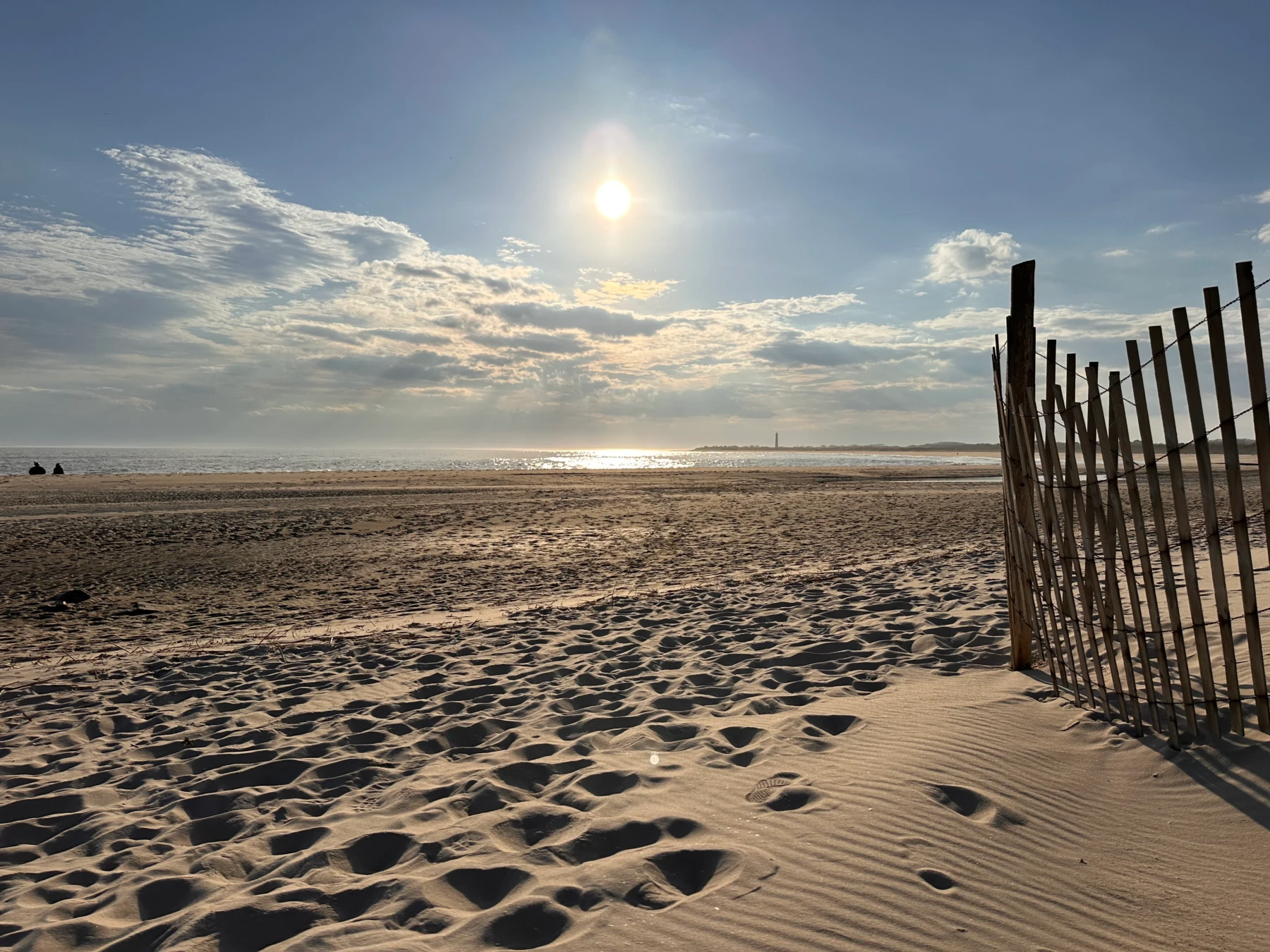
3. Songbird and Woodcock Trails at Cape May National Wildlife Refuge
Songbird Trail and Woodcock Trail are two loop trails, 1.1 miles and 1.2 miles respectively, located in the Delaware Bay division of the Cape May National Wildlife Refuge. Both trails sit under 1.3 miles, making them ideal for a quick nature fix without a big time commitment.
These paths wind through mixed hardwood forest and shrubland, a habitat type that draws warblers and other migratory songbirds in spring and fall. As a result, birders treat this refuge division as a reliable stop, especially during the peak migration windows in May and October.
Unlike the boardwalk at Cape May Point, these are natural-surface dirt paths, so they can get muddy after rain and aren’t wheelchair accessible. Wear real hiking shoes, not sandals, and expect some exposed roots.
Notably, this refuge division connects loosely to broader migration corridors that extend toward Cape May Point, which is one reason serious birders often hit both locations in the same day. There’s no entrance fee, and the small gravel lots rarely fill up outside of major birding festival weekends.
4. Cedar Swamp Trail at Cape May National Wildlife Refuge
Cedar Swamp Trail is a 1-mile loop through the Great Cedar Swamp division of the Cape May National Wildlife Refuge, cutting through forested swamp and upland habitat that feels noticeably different from the coastal dune trails elsewhere on this list. The tree canopy here is thick enough to offer real shade even at midday in July.
This is the trail to pick if you’re hiking with kids or during a hot afternoon when the beach-adjacent trails feel exposed. Additionally, the swamp habitat supports a different mix of wildlife than the dune trails, including owls and woodpeckers that prefer denser cover.
The trail surface is packed dirt with some low boardwalk sections over wetter patches, generally fine in sneakers except after heavy rain. Mosquitoes can be aggressive here from late spring through early fall, so bug spray is not optional; it’s the single most common complaint from hikers who skip it.
Parking is a small gravel pull-off, and this division sees far fewer visitors than the Cape May Point trails, which makes it one of the quieter hiking near me options if you’re trying to avoid summer crowds. Check the refuge’s official trail page for current hours before you go, since access can shift seasonally.
5. Dune Trail and Marsh Trail at Two Mile Beach
The Two Mile Beach unit of Cape May National Wildlife Refuge offers a 0.8-mile out-and-back Dune Trail and a shorter 0.2-mile out-and-back Marsh Trail boardwalk leading to a tidal pond observation point. Together they’re a good pairing for anyone who wants dune scenery plus a dedicated wildlife-watching stop in under an hour.
Here’s the detail most guides bury or skip entirely: the beachfront at Two Mile Beach is only open for wildlife observation from October 1 through March 31. In other words, if you’re visiting Cape May in peak summer, this specific stretch of beach access is closed, though the Dune Trail itself remains walkable.
The dunes here reach a genuinely surprising height for the Jersey coast, and the trail’s elevated boardwalk sections give you a good vantage point over the marsh without disturbing nesting areas. Go at sunrise in fall if you want the best light and the least foot traffic; this unit gets noticeably quieter than the Cape May Point trails.
Bring layered clothing if you’re visiting in the open winter window, since wind off the bay has almost no windbreak out here. There’s a small parking area near the trailhead, and it rarely fills except during major migration weekends.
6. South Cape May Meadows and Garrett Family Preserve
South Cape May Meadows is a 200-plus acre preserve with roughly two miles of flat walking trails focused on bird watching and coastal wetland habitat, managed by The Nature Conservancy. It sits directly adjacent to Cape May Point State Park, and many hikers combine both in a single outing.
Specifically, the Meadows protect one of the few stretches of freshwater wetland with direct beach access left on the New Jersey coast, which is exactly why the trails here draw serious birders with binoculars rather than casual dog walkers. The paths are flat, wide, and easy, so it’s a strong pick for families or anyone who wants scenery without effort.
A short drive away, Garrett Family Preserve covers 180 acres at 801 Wilson Street, about 1.5 miles from downtown Cape May, with roughly four miles of trails. Additionally, the preserve includes a braille trail, a pollinator loop, and a meadow-to-marsh path, giving it more trail variety per acre than almost anywhere else on this list.
Both properties are free to access and open daily during daylight hours. The main tradeoff: neither has much shade, so plan around the morning or late afternoon in summer rather than a midday walk.

7. Higbee Beach Wildlife Management Area Loop
Higbee Beach Wildlife Management Area features a roughly 2.5-mile loop trail starting from the parking lot at 1 Higbee Beach Road, winding through thick woods and dunes that rise to about 35 feet, some of the tallest in the immediate Cape May area. It’s the closest thing to a real forest hike this stretch of coastline offers.
This is arguably the most famous of the seven trails here in birding circles, and for good reason: Higbee Beach regularly appears on lists of North America’s top migration hotspots. Go at dawn during peak fall migration, roughly late September through October, and you’ll likely see other hikers with spotting scopes doing the same thing.
The dune sections involve some real elevation change by local standards, nothing strenuous, but enough sand-climbing to notice. Trail surface shifts between packed sand, dirt, and looser dune sand near the overlooks, so trail runners or hiking shoes work better than flip-flops.
Check current access rules on the NJ Department of Fish and Wildlife regulations page before visiting, since portions of the wildlife management area have seasonal access windows tied to hunting and nesting seasons. The lot is unpaved and can turn muddy after rain; arrive with a vehicle that can handle a few puddles.
The New Kid: Cape May Nature Trails at Lafayette Street Park
Cape May City opened a new loop at Lafayette Street Park (711 Lafayette Street) in mid-2025, running about 0.46 miles and open from sunrise to sunset. It’s short, paved, and walkable straight from downtown, which makes it the easiest add-on hike if you’re staying inside Cape May proper and don’t have a car handy that day.
It won’t replace a real morning at Higbee Beach or the refuge, but it’s genuinely useful for a pre-dinner walk or a quick loop before checkout.
Which Trail Fits Your Fitness Level and Time?
Choosing a trail near Cape May comes down to matching distance, terrain, and season to what you actually want out of the walk. First, if you have under 30 minutes, the Duck Pond Trail or the new Lafayette Street Park loop cover you. For a half-day outing, Higbee Beach or the combined South Cape May Meadows and Garrett Family Preserve give you the most mileage and variety.
| Trail | Distance | Difficulty | Best For |
|---|---|---|---|
| Duck Pond Trail | 0.5 miles | Easy, wheelchair accessible | Quick walk, lighthouse views |
| Monarch and Plover Trails | 2.7 miles combined | Easy to moderate | Fall migration, longer loop |
| Songbird and Woodcock Trails | 1.1 to 1.2 miles each | Easy | Quick birding stop |
| Cedar Swamp Trail | 1 mile | Easy | Shade, hot days, kids |
| Dune and Marsh Trails, Two Mile Beach | 1 mile combined | Easy | Fall/winter dune views |
| South Cape May Meadows | 2 miles | Easy, flat | Families, casual birders |
| Higbee Beach Loop | 2.5 miles | Moderate, dune climbs | Serious hikers, migration season |
For a broader Cape May visit that pairs hiking with beach time and downtown dining, our complete guide to what to do, where to eat, and where to stay in Cape May rounds out the rest of a multi-day trip.
What Do Competitor Guides Miss About These Trails?
Most existing hiking near me guides for Cape May list trail names and lengths but skip the practical details that actually determine whether your hike goes well. Here’s what’s usually missing.
Best time of day: Sunrise wins for birding at Higbee Beach and the refuge divisions, since migratory songbirds feed most actively in the first two hours of daylight. For dune and boardwalk trails without much shade, like Duck Pond and South Cape May Meadows, an early morning start also beats the heat.
Parking realities: Cape May Point State Park’s lot fills by mid-morning on summer weekends given that Cape May County pulled in over 12 million visitors in 2026. Higbee Beach’s unpaved lot floods and muddies after rain. Refuge division lots are gravel and small, first come, first served, with no overflow.
Post-hike food: None of these trailheads have snack stands, so plan ahead. Downtown Cape May is a 10 to 15 minute drive from most of these trails, and Washington Street Mall has plenty of casual lunch options once you’re back.
Wind and shade: Cedar Swamp Trail has the most tree cover of the seven. Dune trails at Two Mile Beach and Higbee Beach have almost none, and bay winds pick up fast in fall and winter, so bring a windbreaker even on a mild-looking day.
How Do You Prepare for a Cape May Hike?
Preparing for these trails means dressing for sun exposure, bringing bug spray for the wooded divisions, and checking seasonal closures before you drive out. None of these hikes require technical gear, but a few small mistakes ruin an otherwise easy outing.
- Check seasonal closures first. The Plover Trail’s beach section and Two Mile Beach’s wildlife observation area both close on set calendar windows. A five-minute check on the official refuge or state park page saves a wasted trip.
- Bring water even for short trails. Duck Pond Trail is only half a mile, but there’s zero shade and no water fountain anywhere near the park’s visitor lot.
- Pack bug spray for wooded trails. Cedar Swamp Trail and the Songbird/Woodcock loops sit in habitat that supports heavy mosquito activity from May through September.
- Wear real footwear, not sandals. Dune sand at Higbee Beach and Two Mile Beach shifts underfoot, and refuge trails can turn muddy after rain.
- Arrive before 9 a.m. on summer weekends. Small lots at Cape May Point and Higbee Beach fill fast given the county’s rising visitor numbers.
- Skip the midday sun on exposed trails. Meadows, dune trails, and boardwalks all lack tree cover; morning or late afternoon light is more comfortable and better for wildlife photos.
Is Hiking Near Cape May Safe for Everyone?
Most of these trails are low-risk, flat walks suitable for a wide range of fitness levels, but a few conditions are worth knowing before you go.
Sun and Heat Exposure: Several of these trails, especially Duck Pond, South Cape May Meadows, and the dune trails, have almost no shade. Anyone sensitive to heat or with cardiovascular conditions should stick to early morning hours in summer and carry water.
Uneven and Sandy Terrain: Dune sections at Higbee Beach and Two Mile Beach involve loose sand and gentle elevation change. If you have balance concerns or use mobility aids, the Duck Pond Trail’s boardwalk is the safer, fully accessible choice.
Insect Exposure: Mosquitoes and ticks are present in the wooded refuge divisions, particularly Cedar Swamp Trail, from late spring through early fall. Use insect repellent and check for ticks after hiking through tall grass.
Weather and Wind: Coastal wind picks up quickly near the bay, especially in fall and winter at Two Mile Beach. Check the forecast and bring a windproof layer, since there’s little natural windbreak on the open dune trails.
Who Should Check with a Doctor First: Anyone with limited mobility, a heart condition, or heat sensitivity should talk to a physician before attempting the longer loops like Higbee Beach or the combined Monarch and Plover Trails, and consider the shorter, shaded, or boardwalk options instead.
Frequently Asked Questions
What is the easiest hiking near me option in Cape May?
The Duck Pond Trail at Cape May Point State Park is the easiest option, running just 0.5 miles on a fully wheelchair-accessible boardwalk with lighthouse views. The new Cape May Nature Trails loop at Lafayette Street Park, at about 0.46 miles, is even shorter and walkable straight from downtown.
Are Cape May’s hiking trails free to access?
Most trails covered here, including the Cape May National Wildlife Refuge divisions, Higbee Beach, South Cape May Meadows, and Garrett Family Preserve, are free to walk year-round. Cape May Point State Park may charge a standard vehicle fee during peak season, so check current rates before you go.
When is the best time of year to hike near Cape May for birding?
Fall migration, roughly late September through October, is peak birding season, when the Cape May Peninsula draws hikers to Higbee Beach and Cape May Point specifically to watch songbirds and raptors move through. Spring migration in May is the second-best window, with different species passing through on their way north.
Can I hike these trails with a dog?
Policies vary by location, and some wildlife management areas and refuge divisions restrict dogs seasonally to protect nesting birds, so check the specific trail’s current rules before bringing a pet. If you’re traveling with a dog, our pet-friendly Cape May vacation guide covers additional dog-friendly outdoor spots.
Is Higbee Beach Wildlife Management Area good for beginners?
Higbee Beach’s 2.5-mile loop is moderate rather than easy, with dune climbs up to roughly 35 feet and shifting sand underfoot. Beginners in reasonable shape will manage it fine, but anyone wanting a flatter first outing should start with Duck Pond Trail or South Cape May Meadows instead.
Do any of these trails connect to Cape May’s beaches?
Yes. The Plover Trail at Cape May Point State Park runs along the beach in its final stretch, though that section closes seasonally for nesting birds, and South Cape May Meadows offers direct beach access as part of its preserved wetland system. Two Mile Beach’s Dune Trail also leads toward beachfront, but that area is only open for wildlife observation from October through March.
Where should I stay if I want to hike near Cape May?
Staying in downtown Cape May puts you within a 10 to 15 minute drive of every trail on this list, including Cape May Point State Park, the refuge divisions, and Higbee Beach. Properties near the historic district, like the ones covered in our neighborhood-by-neighborhood guide to where to stay in Cape May, also let you walk to dinner after a morning hike.
Final Thoughts on Hiking Near Cape May
Hiking near me in Cape May doesn’t mean mountains or elevation gain; it means marshes, dune forest, and one of the best birding corridors in North America packed into a 15-minute driving radius. Whether you’ve got 30 minutes for the Duck Pond Trail or a full morning for Higbee Beach, these seven trails cover every fitness level and season, and as of 2026, the addition of the Lafayette Street Park loop makes it even easier to squeeze in a walk without leaving downtown.
Cape May County’s tourism numbers keep climbing, topping 12 million visitors in 2026, which means these quiet trails are becoming less of a secret every year. Go early, check seasonal closures, and you’ll still find the kind of uncrowded coastal walk that first put this peninsula on birders’ maps.

If a morning hike followed by an easy walk back to town sounds like your kind of trip, Cape Belvedere puts you two minutes from Congress Hall and a short drive from Cape May Point State Park, close enough to hit the trails early and still catch sunset from the cupola. Check availability at Cape Belvedere whenever you’re ready to plan your stay.