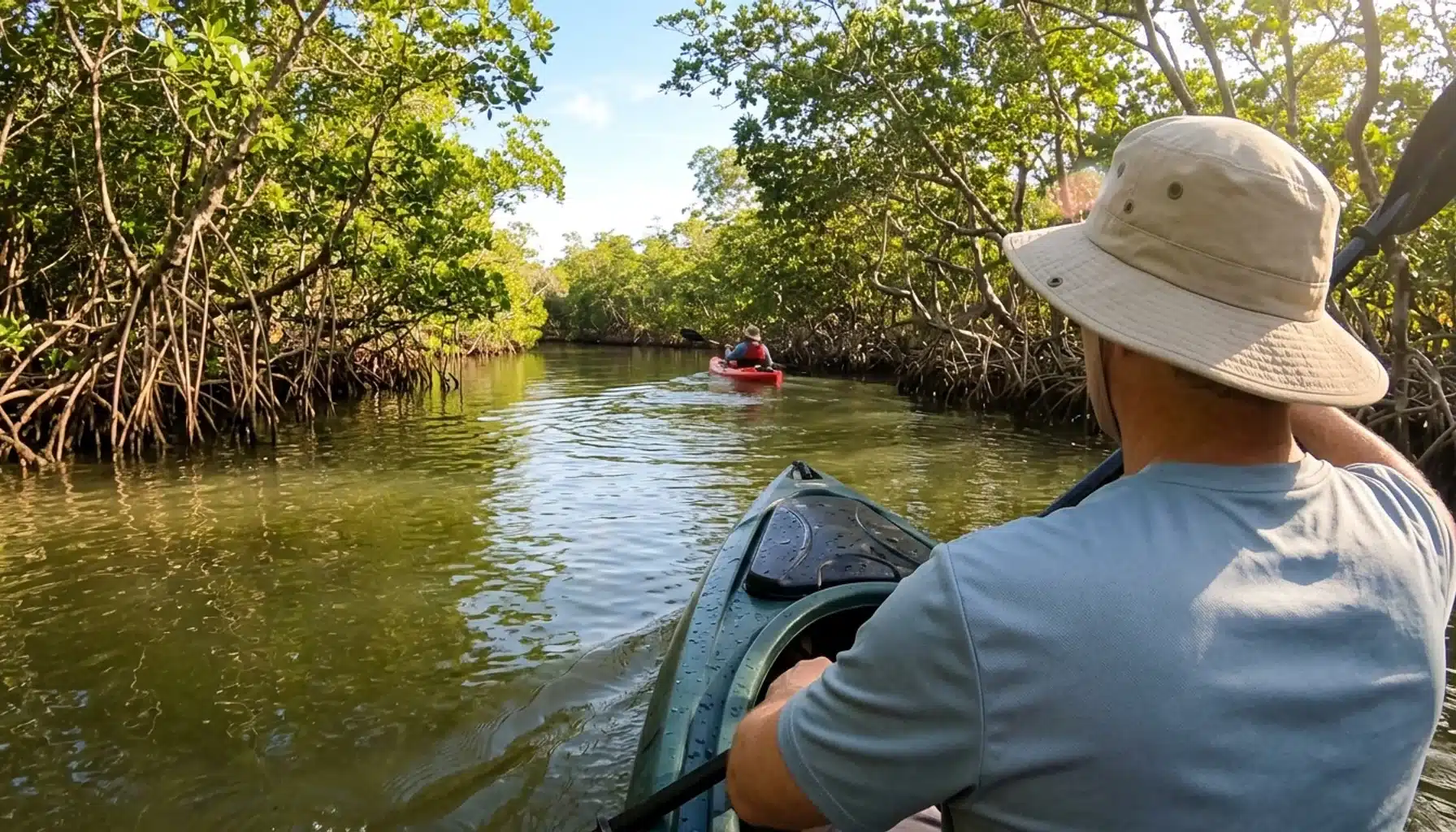
Kayaking near Cape Coral means paddling one of seven official city launch sites into a 400-mile canal network that connects to the Caloosahatchee River, Matlacha Pass, and eventually Pine Island Sound. Most launches are free, and mangrove-lined routes at Four Mile Cove and Sirenia Vista Park put manatees and dolphins within easy reach of a two-hour outing.
- Seven free city launches serve Cape Coral, including Four Mile Cove Ecological Preserve, Sirenia Vista Park, and Rosen Park, according to the City of Cape Coral Parks & Recreation Department.
- Cape Coral has roughly 400 miles of canals and more than 1,500 acres of parkland, more canal mileage than any other city in Florida.
- No parking fee applies at city kayak launches unless you’re towing a boat trailer, which triggers a $15 daily or $75 annual permit fee.
- The Great Calusa Blueway is a 190-mile marked paddling trail through Lee County that connects directly to Cape Coral launch points.
- Sirenia Vista Park is a documented manatee viewing hotspot from November through March, with direct access to Matlacha Pass.
- Cape Pelican, a 4-bedroom Cape Coral vacation villa managed by Cape del Mar, sits roughly a 5-minute drive from Cape Coral Marina and 10 minutes from Cape Coral Beach, putting several of these launches within a short drive of your rental.
Cape Coral did not earn the nickname “Waterfront Wonderland” for its beaches. It earned it for the canals, and if you have not paddled one of them yet in 2026, you’re missing the reason most locals bought here in the first place. The city cuts through residential neighborhoods, mangrove preserves, and tidal passes in a way that turns an ordinary Tuesday morning into a wildlife encounter.
This guide goes beyond the standard “here are some launch points” roundup that dominates search results for kayaking near Cape Coral. You’ll get a launch-by-launch breakdown of what to actually expect at each site, hour-specific tide guidance for the trickier waterways, a family-friendly route you can complete in under three hours, and an honest comparison of the rental operators competing for your business. If you’re staying at a Cape Coral rental during your visit, this is the practical, no-fluff version of what the paddling day actually looks like.
Cape Coral’s dining scene deserves its own conversation too. If you work up an appetite after a morning on the water, our guide to the best restaurants in Cape Coral covers where locals actually eat once they’re off the canals.
Can You Kayak in Cape Coral?
Yes, kayaking in Cape Coral is not just possible, it’s one of the primary reasons people vacation here. The city maintains seven designated public kayak launches feeding into freshwater canals, saltwater canals, and the Caloosahatchee River, all free to use for non-trailer visitors as of 2026.
Cape Coral’s canal system was engineered in the 1950s and 1960s as part of the city’s original residential development, and it has since become one of the largest man-made waterway networks in the world. As a result, nearly every neighborhood has canal access within a short paddle or drive.
Specifically, the city’s launches split into freshwater and saltwater systems. BMX Boat Ramp and Seahawk Airfield at Festival Park access freshwater lakes and canals, while Burnt Store Boat Ramp, Chantry Canal at Rosen Park, Horton Park, and Sirenia Vista Park all launch into saltwater canals connecting toward the Caloosahatchee River and Matlacha Pass. Four Mile Cove Ecological Preserve sits adjacent to a 365-acre nature preserve and offers arguably the calmest paddling conditions of the group.
The takeaway for visitors: you don’t need to own a kayak or belong to a marina to paddle here. Between city launches, outfitter rentals, and the Great Calusa Blueway trail system, kayaking near Cape Coral is accessible to a first-timer on day one of a trip.
What Are the Seven Official Kayak Launch Sites in Cape Coral?
Cape Coral’s seven city-designated kayak launches each access a different section of the canal network, ranging from quiet freshwater lakes to tidal saltwater passes. Choosing the right launch depends on whether you want calm, beginner-friendly water or a route that connects to Matlacha Pass and the open Gulf.
Here’s a launch-by-launch breakdown most articles skip, the kind of detail that actually helps you decide where to put your kayak in the water.
| Launch Site | Water Type | Connects To | Best For |
|---|---|---|---|
| Four Mile Cove Ecological Preserve | Freshwater/brackish | Caloosahatchee River, mangrove creeks | Beginners, wildlife viewing |
| Sirenia Vista Park | Saltwater | North Spreader Canal, Matlacha Pass | Manatee viewing (Nov-Mar) |
| Chantry Canal / Rosen Park | Saltwater | Caloosahatchee River north of mid-point bridge | Fishing loops, moderate paddlers |
| Burnt Store Boat Ramp | Saltwater | Matlacha Pass via Rosemary Canal | Longer paddles, experienced kayakers |
| Horton Park | Saltwater | Caloosahatchee River south of mid-point bridge | Quick afternoon paddles |
| BMX Boat Ramp | Freshwater | Alhambra Lake, Lake Kennedy, Saratoga Lake | Flatwater practice, families |
| Seahawk Airfield at Festival Park | Freshwater | Argosy Lake | Short, protected paddles |
Four Mile Cove Ecological Preserve is the launch I point first-timers toward. It’s adjacent to the Kayak Shack rental operation, the water stays calm because it’s sheltered from wind, and the 365-acre preserve means you’re paddling past red, black, and white mangroves rather than backyard docks. Rosen Park, at 2414 SE 15th Terrace, is worth knowing about even if you’re not launching a big boat, since it also has 19 wet slips and serves as a practical landmark if you’re navigating by GPS.
Sirenia Vista Park, at the corner of Ceitus Parkway and Old Burnt Store Road in northwest Cape Coral, has become the go-to launch for manatee sightings. The site includes port-a-pots, picnic tables, and a fishing pad, amenities that Burnt Store Boat Ramp and Horton Park lack.
Is It Safe to Kayak in Cape Coral Canals?
Kayaking in Cape Coral canals is generally safe for paddlers of all experience levels on the interior residential canals, though saltwater passes like Matlacha Pass and Pine Island Sound require more caution due to boat traffic, wind, and shifting tidal currents. The main hazards are motorized boat wakes, not the water itself.
Cape Coral’s interior canals, the kind you access from BMX Boat Ramp or Seahawk Airfield, are narrow, low-traffic, and largely shielded from wind. These are appropriate for beginners, kids in tandem kayaks, and anyone who hasn’t paddled before. The water is flat, the current is negligible, and you can turn back at any point without a long paddle home.
The calculus changes once you head toward Matlacha Pass or Pine Island Sound. Matlacha Pass Aquatic Preserve sits at a tidal node between Charlotte Harbor, the Caloosahatchee River, and San Carlos Bay, which means currents shift throughout the day. Pine Island Sound is even more demanding, with stronger currents and less predictable conditions that the region’s own guides describe as better suited to experienced paddlers.
Practical safety notes that generic guides tend to skip: wear a life jacket even on calm canals (Florida law requires one aboard per person regardless of skill level), check wind forecasts before heading toward open water like Matlacha Pass, and always tell someone your planned route and return time. The Florida Fish and Wildlife Conservation Commission publishes updated kayak-fishing and boating regulations worth reviewing before any trip involving fishing gear.
Afternoon thunderstorms build fast in Southwest Florida between June and September, often by early afternoon. If you’re paddling in summer, launch before 9 a.m. and be off the water by noon to avoid lightning risk.
Do I Need a Permit to Kayak in Florida?
No, Florida does not require a permit to operate a non-motorized kayak, and Cape Coral does not charge a general launch fee for kayakers using its seven public sites. The only fee that applies is a $15 daily boat trailer parking charge, or $75 annually, and that only applies if you’re towing a trailer rather than carrying or roof-racking your kayak.
This is a distinction worth being precise about because it trips up a lot of visitors. If you’re renting a kayak from an outfitter like Gulf Coast Kayak or bringing your own on a roof rack, you park for free at any of the seven city launches. Trailer parking fees only kick in if you’re hauling a kayak trailer, and the city’s Boat Trailer Parking Program fee is payable through the Passport Parking app, by phone, or on-site.
Commercial paddle sport outfitters operating from city launches pay a separate annual permit, listed at $1,000 per year, which is why most rental companies operate from their own docks or partner marinas rather than the free public ramps.
City launches commonly operate from 8 a.m. to sunset, though posted signage at individual sites can vary, so it’s worth glancing at the sign when you arrive rather than assuming hours are identical across all seven locations. For up-to-date rules and any seasonal changes, the City of Cape Coral’s official kayaking page is the authoritative source, and it’s also where Rotary Park Environmental Center posts information on its recurring paddling programs.
What Is the Best Time of Day and Season to Kayak Near Cape Coral?
The best time to kayak near Cape Coral is early morning, generally between 7 and 10 a.m., when winds are calmest and wildlife activity peaks, with November through March offering the added bonus of manatee sightings and cooler, more comfortable paddling temperatures.
Southwest Florida’s wind pattern builds through the day. Mornings on Matlacha Pass and the Caloosahatchee River tend to be glassy calm, while afternoon sea breezes off the Gulf can turn a leisurely paddle into a workout by 1 or 2 p.m. If you’re launching from Sirenia Vista Park or Burnt Store Boat Ramp toward open saltwater, plan to be back at your put-in by early afternoon.
Seasonally, winter (November through March) is the sweet spot most locals recommend, and it’s not just about comfort. Manatees migrate into Cape Coral’s warmer canal waters during these cooler months, and Sirenia Vista Park has developed a genuine reputation as a manatee viewing hotspot during this window. Air temperatures in the 60s and 70s also make for a far more pleasant paddle than the humidity of a July afternoon.
Summer paddling (June through September) is still doable, but you’re racing the clock. Launch at sunrise, plan to be finished by late morning, and always check the radar before you put in, since Southwest Florida’s afternoon thunderstorm pattern is one of the most predictable weather events in the country during these months.
Tide timing matters specifically for the saltwater routes. At Chantry Canal near Rosen Park and around Matlacha Pass, paddling with an outgoing tide toward the Caloosahatchee or Gulf, then returning on the incoming tide, saves noticeable effort. A local fishing loop popular with anglers runs from a city launch through a mangrove creek, past the canal near Miceli’s Restaurant, and back, timed specifically to ride the tide both directions.
What Wildlife Will You See While Kayaking Near Cape Coral?
Kayaking near Cape Coral routinely puts paddlers within view of manatees, bottlenose dolphins, ospreys, roseate spoonbills, and mangrove ecosystems that support hundreds of bird and marine species. Four Mile Cove Ecological Preserve and Matlacha Pass Aquatic Preserve are the two most reliable wildlife-viewing paddles in the immediate area.
Four Mile Cove’s 365 acres of red, black, and white mangroves create a nursery habitat for juvenile fish, wading birds, and the occasional alligator sighting in the preserve’s interior creeks. The boardwalk that parallels part of the water offers a land-based preview if you want to scout the area before committing to a paddle.
Matlacha Pass Aquatic Preserve, reachable from Cape Coral launches like Burnt Store Boat Ramp and Sirenia Vista Park, is a tidal transition zone between Charlotte Harbor, the Caloosahatchee River, and San Carlos Bay. The mix of mangroves, oyster bars, and seagrass flats supports dolphins and manatees, and it’s one of the more biologically rich paddling zones in Southwest Florida.
Further afield, Sanibel Island’s mangrove forests and wetlands, accessible via a paddle from Lighthouse Beach or Bowman’s Beach, are known for manatees, sea turtles, and an unusually high diversity of shell species, reportedly over 250 types found along its shoreline. It’s a worthwhile day trip if you have a car and want to extend your paddling itinerary beyond Cape Coral proper.
How Do Cape Coral’s Waterways Connect to Matlacha Pass, Four Mile Cove, and Pine Island Sound?
Cape Coral’s canal system functions as a network of interconnected waterways rather than isolated launch points, with routes from city ramps flowing into the Caloosahatchee River and eventually reaching Matlacha Pass to the north and Pine Island Sound further west. Understanding these connections lets you plan a multi-hour paddle instead of an out-and-back loop.
From Sirenia Vista Park, paddlers head into the North Spreader Canal system, which connects directly to Matlacha Pass. This is also roughly the same water accessed from the D&D Marina launch on Pine Island Road in Matlacha, a well-known departure point for both kayak rentals and airboat tours on the Matlacha side.
From Chantry Canal at Rosen Park or the Four Mile Cove launch, you’re heading toward the Caloosahatchee River, with Four Mile Cove positioned just north of the mid-point bridge and Horton Park just south of it. This stretch of the Caloosahatchee is generally calmer than the passes further west, making it a reasonable bridge route if you want to eventually reach Pine Island Sound without tackling open water the whole way.
Pine Island Sound itself, described consistently as more demanding due to strong currents and shifting tides, is best treated as an experienced-paddler destination rather than a first-day outing. If Pine Island Sound is your goal, build up to it with a calmer Cape Coral canal paddle first, and consider a guided tour for your first attempt.
What Is a Good Family-Friendly Kayak Route Near Cape Coral Under Three Hours?
A family-friendly kayak route near Cape Coral that fits comfortably under three hours starts at Four Mile Cove Ecological Preserve, follows the sheltered mangrove creeks within the preserve, and returns to the same launch point without ever entering open or tidal water. This out-and-back format means young paddlers never face a return current or wind challenge.
Here’s the practical itinerary:
- Arrive by 8:30 a.m. at the Four Mile Cove launch off SE 23rd Terrace. Early arrival means calmer water and cooler temperatures, especially important with kids.
- Paddle the interior creeks for 45 to 60 minutes. The preserve’s mangrove tunnels are narrow enough to feel like an adventure but shallow and calm enough to be low-risk.
- Stop at the boardwalk overlook roughly halfway through for a break, snacks, and a chance for kids to spot wading birds or small fish from a stable platform rather than the kayak itself.
- Return along the same route, budgeting another 45 to 60 minutes, for a total paddling time of roughly 90 to 120 minutes plus breaks.
This route works particularly well for families staying at a rental with kids in tow, since it requires no car shuttle, no tide planning, and no open-water exposure. If you want a second option, the BMX Boat Ramp launch into Alhambra Lake offers similarly flat, protected water, though it lacks the mangrove scenery that makes Four Mile Cove memorable for kids.
An alternative for slightly older kids or more confident paddlers is the Sirenia Vista to Miceli’s loop, a short paddle through a mangrove creek that connects to a canal running past Miceli’s Restaurant before looping back. It’s flatter and shorter than heading fully into Matlacha Pass, while still offering the payoff of paddling past a recognizable local landmark.
Where Can You Rent Kayaks Near Cape Coral?
Kayak rentals near Cape Coral are available through several outfitters, with Gulf Coast Kayak operating two locations at Tarpon Point Marina and Sirenia Vista Park as the most established option in the immediate area. Rental rates, reservation policies, and group capacity vary enough between operators that it’s worth comparing before booking.
Gulf Coast Kayak, based at 5971 Silver King Boulevard (G Dock) in Cape Coral, typically operates daily from 9 a.m. to 5 p.m. and offers single and tandem kayaks along with guided tours. Having two launch points, Tarpon Point Marina and Sirenia Vista Park, means you can choose based on which waterway you want to access without driving across town.
Beyond Cape Coral proper, several regional outfitters serve the broader Fort Myers and Matlacha area. D&D Marina on Pine Island Road in Matlacha rents kayaks and doubles as a departure point for airboat tours, useful if your group has mixed interests. Venture Out at Cape Harbor combines a boat launch, kayak rentals, and fishing charters, a solid option if you’re staying near the marina district. Eco Park, near the Midpoint Bridge, offers kayak rentals seasonally from November through March and includes a portage trail leading to creeks that flow into Four Mile Cove and the Caloosahatchee River.
Other regional names worth knowing if you’re comparing options: Paradise Boat Rentals, Kayak Excursions, Rent a Kayak, and Kayak Rentals USA all serve the greater Cape Coral and Fort Myers area, alongside Paddle Naples further south for those extending their trip. As a rule, reserve at least a day ahead during winter high season (December through March), when demand for manatee-season paddling spikes.
What Should You Bring on a Cape Coral Kayak Trip?
A basic Cape Coral kayak trip checklist includes a properly fitted life jacket, reef-safe sunscreen, polarized sunglasses, a dry bag for phones and keys, at least one liter of water per person, and closed-toe water shoes for launching over sometimes uneven boat ramp surfaces.
- Life jacket (PFD): Required by Florida law to be aboard for every paddler; wear it rather than just stow it, especially on saltwater passes with boat traffic.
- Sun protection: Reef-safe sunscreen, a wide-brim hat, and polarized sunglasses. There’s minimal shade on most Cape Coral canals.
- Water and snacks: A three-hour paddle in Florida heat dehydrates faster than most people expect, even in winter.
- Dry bag: Phones, keys, and wallets don’t survive an unexpected splash or capsize without one.
- Water shoes: Boat ramps and mangrove shorelines can have oyster shells, rocks, or uneven mud.
- Bug spray: Mangrove areas, especially Four Mile Cove, can have mosquito activity, particularly at dawn and dusk.
One detail generic packing lists skip: bring cash or a phone with the Passport Parking app installed if you’re using a boat trailer, since that’s the only fee mechanism at most city launches. And if you’re kayak fishing, keep a laminated copy of current size and bag limits handy, since the Florida Fish and Wildlife Conservation Commission updates species regulations periodically.
Who Should Think Twice Before Kayaking Near Cape Coral?
Kayaking near Cape Coral is a low-impact, accessible activity for most fitness levels, but a few groups should take extra precautions or choose calmer routes before heading out.
Non-swimmers or weak swimmers: Even experienced paddlers can capsize. If you can’t comfortably tread water or swim a short distance, stick to shallow, protected canals like those at BMX Boat Ramp, wear your life jacket at all times, and consider a guided tour with an instructor nearby.
People with cardiovascular conditions: Paddling is moderate exercise, and Florida heat adds strain on the heart. If you have a heart condition or haven’t exercised regularly, check with a doctor before a longer paddle, and stick to short, sheltered routes rather than multi-hour trips toward Matlacha Pass.
Pregnant travelers: Balance shifts and the risk of a fall or capsize make kayaking a personal decision best discussed with an OB-GYN, particularly in later trimesters. Shorter, calmer paddles at Four Mile Cove are a gentler option if cleared to go.
Young children: Kids should always wear a properly sized, Coast Guard-approved life jacket, and tandem kayaking with an adult is safer than a solo kayak for children under about ten. Stick to freshwater lakes like Argosy Lake at Seahawk Airfield rather than tidal passes.
Anyone unfamiliar with sun exposure risk: Florida’s UV index runs high year-round. Fair-skinned visitors especially should reapply sunscreen every two hours and consider a long-sleeve rash guard rather than relying on sunscreen alone for a multi-hour paddle.
What Mistakes Do First-Time Cape Coral Kayakers Make?
The most common mistake first-time Cape Coral kayakers make is launching in the afternoon and getting caught by wind or thunderstorms on open saltwater routes like Matlacha Pass, rather than starting early and sticking to protected interior canals until they’ve built confidence.
A second common error is assuming all seven city launches are interchangeable. A paddler expecting the calm, flat water of Four Mile Cove can be caught off guard by the current and boat traffic at Burnt Store Boat Ramp, which feeds directly into a more exposed saltwater system. Reading the launch comparison table earlier in this guide before you pick a site solves this in about thirty seconds.
Third, visitors frequently underestimate distance and turnaround time. A canal that looks like a quick ten-minute paddle out can easily become a forty-minute return trip against wind or tide. Rule of thumb: whatever time you spend paddling out, budget at least that much, often more, to paddle back.
Finally, many first-timers skip checking whether their rental or route requires reservations. Winter months, especially the November through March manatee season, see higher demand at outfitters like Gulf Coast Kayak. Booking a day or two ahead avoids showing up to a sold-out rental counter.
Where Should You Stay for Easy Access to Cape Coral Kayaking?
Cape Pelican is a 4-bedroom, 2-bathroom Cape Coral vacation villa managed by Cape del Mar, positioned roughly a 5-minute drive from Cape Coral Marina and about 10 minutes from Cape Coral Beach, making it a practical home base for a kayaking-focused trip.
The location matters more than it might seem. A short drive to the marina district also puts you within easy reach of several of the city’s canal launches, since Cape Coral’s waterways radiate outward from the same general corridor. After a morning on the water, the villa’s private heated saltwater pool becomes the obvious next stop, especially for kids who want to keep swimming without the current or boat traffic of open canals.
Cape Pelican sleeps up to 10 guests across its four bedrooms, which works well for a multigenerational group splitting up between a morning paddle and an afternoon by the pool. The villa also includes two complimentary bikes, useful for a short ride to the grocery store or harbor restaurants without needing the car for every errand. If your trip includes both paddling and exploring, the property’s private office and free high-speed WiFi mean you can squeeze in a remote workday between water excursions too.
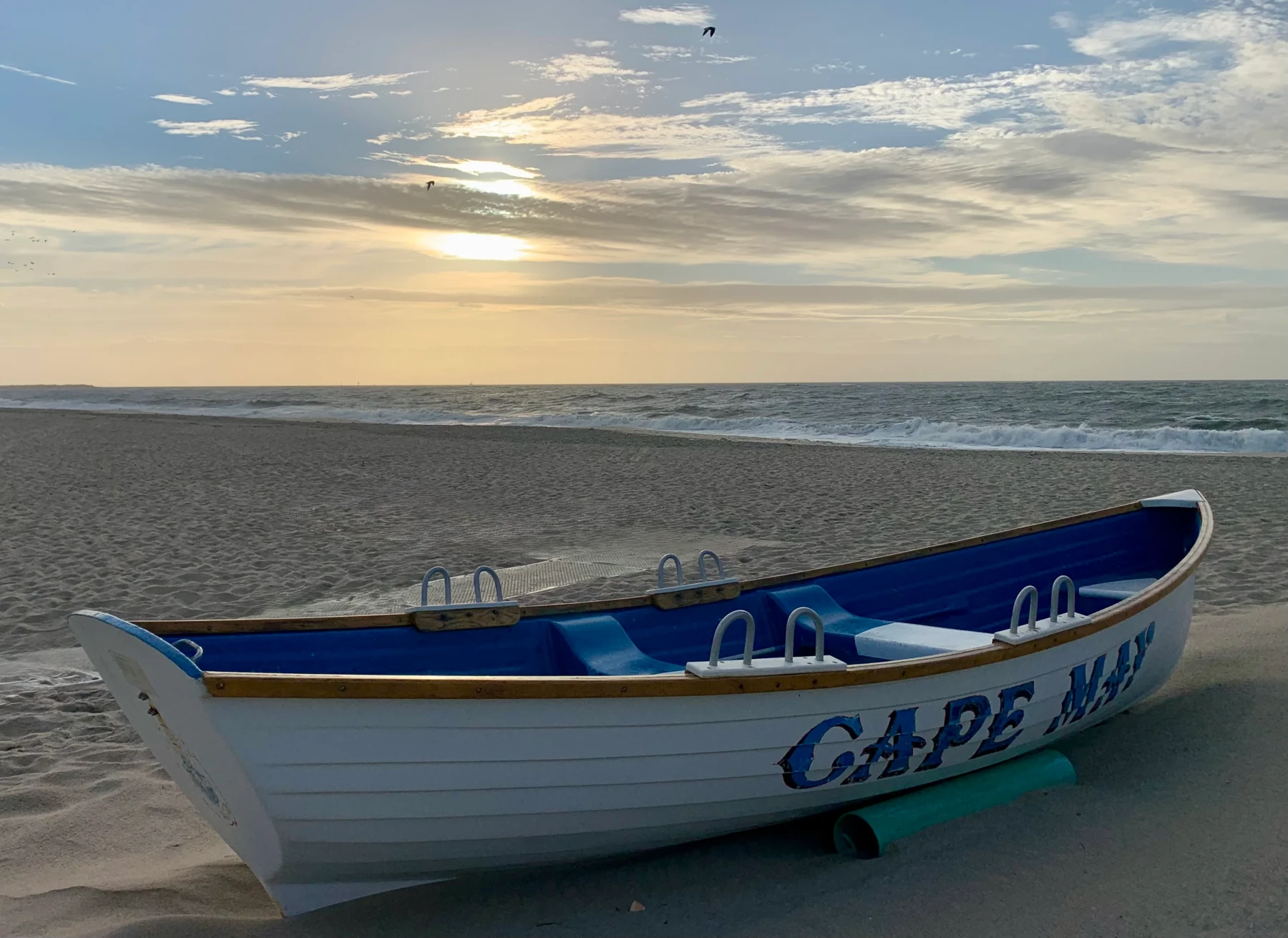
For travelers weighing where else to base a Southwest Florida trip, it’s worth noting Cape del Mar’s primary portfolio sits in Cape May, New Jersey, a very different kind of coastal escape built around Victorian architecture and walkable beach town charm rather than canal paddling. If a Northeast getaway is also on your radar this year, our guide to vacation rentals in Cape May covers that side of the business in depth.
How Do Kayaking, Dining, and Other Activities Fit Together in Cape Coral?
Kayaking near Cape Coral pairs naturally with the city’s waterfront dining scene, since many canal routes end near marinas and harbor districts where restaurants overlook the same water you just paddled. Cape Harbor Marina, roughly a 1.8-mile drive from several eastern Cape Coral launches, hosts multiple waterfront restaurants worth the stop after you’ve dried off.
Fathroom Restaurant and Bar at Cape Harbor is a solid pick for pizza after a morning paddle, while Cape Harbor Oyster Bar and Grill overlooks the yacht harbor itself, a fitting way to end a kayaking day. Rumrunners offers waterfront outdoor seating if you want to stay in view of the water a little longer. For a broader rundown of where locals actually eat across the city, not just the marina district, our Cape Coral restaurant guide breaks down options by neighborhood and budget.
Beyond paddling and dining, Cape Coral rewards a multi-activity trip. The Edison and Ford Winter Estates offer a historical counterpoint to a morning on the water, and Sun Splash Family Waterpark gives kids a change of pace if a second water-based activity is on the agenda. Four Mile Cove Ecological Preserve, already a top kayak launch, also has a walkable boardwalk for a shorter, land-based version of the same nature experience.
Can you kayak from Cape Coral to Fort Myers or Sanibel?
Paddling directly from Cape Coral to Fort Myers Beach or Sanibel Island in a single trip is a long-distance undertaking better suited to experienced paddlers or guided tours, since it involves crossing open water exposed to wind, tide, and boat traffic. Most visitors instead drive to a Sanibel or Fort Myers launch point and paddle locally from there, treating it as a separate outing from a Cape Coral canal trip.
What is the 120 rule for kayaking?
The “120 rule” is a cold-water safety guideline stating that if the combined air and water temperature is below 120 degrees Fahrenheit, paddlers face increased risk of cold shock and hypothermia if they capsize. In Cape Coral, this rule rarely applies given Florida’s warm year-round water temperatures, but it’s worth knowing if you’re paddling elsewhere during cooler months, since even Florida’s winter mornings can occasionally push combined temperatures lower than expected before sunrise.
How long does it take to kayak Four Mile Cove?
A typical paddle through the interior mangrove creeks at Four Mile Cove Ecological Preserve takes about 90 minutes to two hours round trip at a relaxed pace, though the preserve’s full network of creeks can support a longer three-hour outing if you explore further before turning back.
Frequently Asked Questions About Kayaking Near Cape Coral
Do I need to bring my own kayak, or can I rent one near Cape Coral?
You can rent a kayak near Cape Coral without owning one. Gulf Coast Kayak operates locations at Tarpon Point Marina and Sirenia Vista Park with daily hours typically from 9 a.m. to 5 p.m., and outfitters like D&D Marina and Venture Out also offer rentals near the marina districts.
Is kayaking in Cape Coral free?
Kayaking itself is free at all seven city-designated launch sites, and there’s no general parking fee for non-trailer visitors. The only cost is a $15 daily or $75 annual boat trailer parking fee, which only applies if you’re towing a trailer.
Which Cape Coral kayak launch is best for seeing manatees?
Sirenia Vista Park, located at the corner of Ceitus Parkway and Old Burnt Store Road in northwest Cape Coral, has developed a strong reputation as a manatee viewing spot, particularly from November through March when manatees migrate into the area’s warmer canal waters.
Can you kayak year-round in Cape Coral, or is there a best season?
Yes, you can kayak year-round in Cape Coral, but November through March offers the most comfortable conditions with cooler air temperatures and manatee sightings, while summer paddling (June through September) requires early starts to avoid afternoon thunderstorms.
Are Cape Coral’s canals safe for beginner kayakers?
Cape Coral’s interior residential canals, accessed from launches like BMX Boat Ramp and Seahawk Airfield, are calm, flat, and well-suited to beginners. Saltwater passes like Matlacha Pass and Pine Island Sound involve stronger currents and are better suited to more experienced paddlers.
How far is Cape Coral kayaking from Cape Pelican vacation rental?
Cape Pelican sits roughly a 5-minute drive from Cape Coral Marina, putting you within easy reach of several nearby canal launches, and about a 10-minute drive from Cape Coral Beach for a change of pace after a paddle.
Do I need a fishing license to kayak fish near Cape Coral?
Yes, Florida requires a fishing license for most kayak anglers, with specific rules varying by species and location. Check current requirements directly with the Florida Fish and Wildlife Conservation Commission before heading out with fishing gear.
Can I bring my dog kayaking near Cape Coral?
Many paddlers do bring well-behaved dogs on Cape Coral canal kayaking trips, though it’s worth checking with individual rental outfitters about pet policies before booking, since not all operators accommodate pets on rented equipment.
The Bottom Line on Kayaking Near Cape Coral
Kayaking near Cape Coral in 2026 remains one of the most accessible, budget-friendly ways to experience Southwest Florida’s mangrove ecosystems, manatee habitat, and 400-mile canal network, whether you’re launching from a free city site like Four Mile Cove Ecological Preserve or renting from an established outfitter like Gulf Coast Kayak.
The seven official launches each serve a different kind of trip, calm freshwater lakes for beginners and families, tidal saltwater passes for more adventurous paddlers heading toward Matlacha Pass or Pine Island Sound. Winter months bring manatees and cooler temperatures, while summer paddling rewards an early start. None of it requires a permit for casual paddlers, and most of it costs nothing beyond gas to get there.
Pair a morning on the water with lunch at Cape Harbor Marina, an afternoon by the pool, and you’ve got the shape of a genuinely well-rounded Cape Coral trip. The only real decision left is where you’ll be sleeping between paddles.
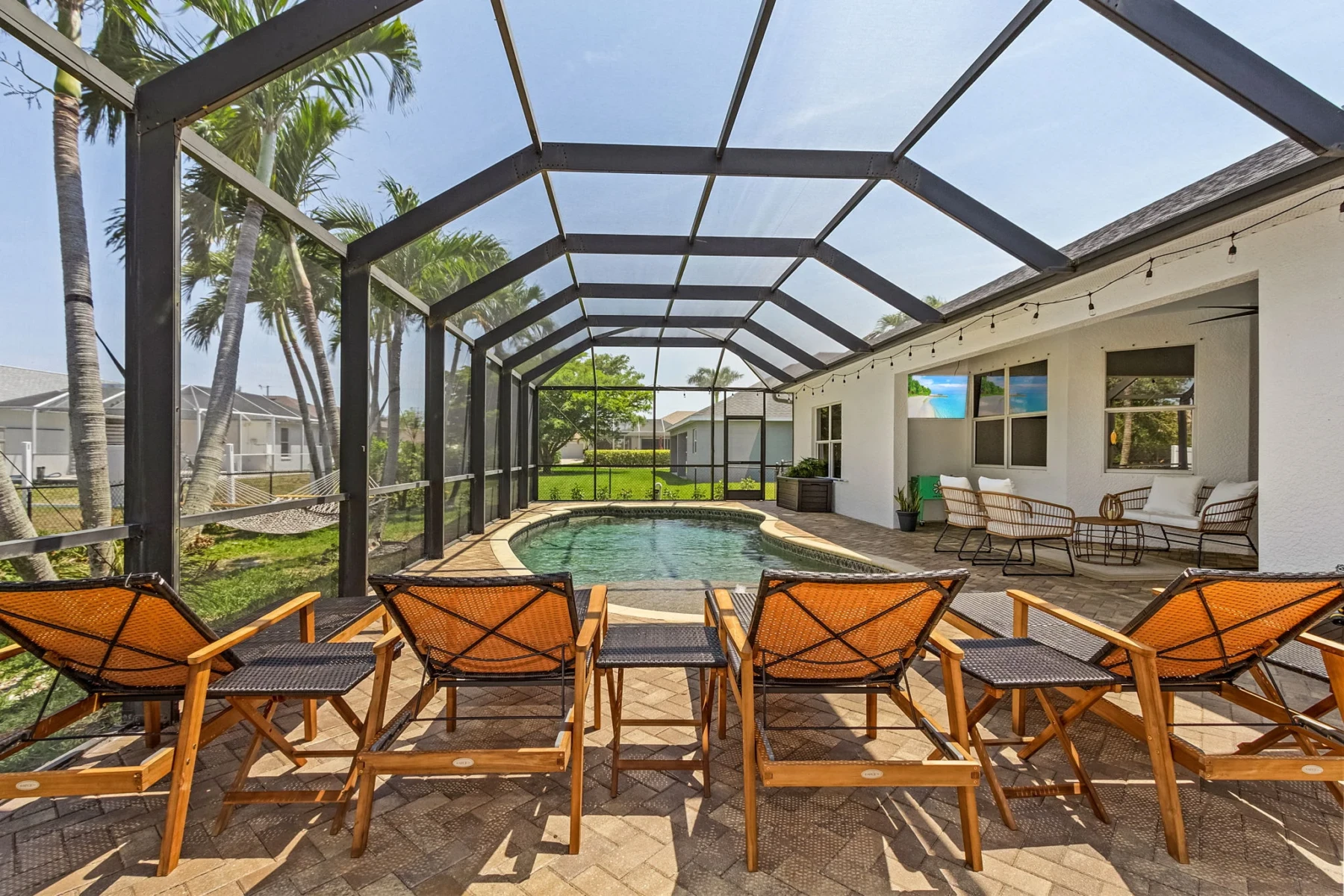
If your trip is built around kayaking near Cape Coral, Cape Pelican puts you a short drive from the marina district and several canal launches, with a private heated saltwater pool waiting when you’re done paddling for the day. Check availability and book directly here.