
Booking a vacation rental directly instead of through VRBO means skipping the guest service fees, inflated nightly rates, and rigid cancellation policies that come bundled into third-party platform bookings. For a Cape May trip, that typically translates to real savings, since VRBO and similar sites often add service fees and mark up rates by 10 to 30 percent compared to the same property booked straight through the owner or manager, according to direct-booking industry analyses. Booking direct also means talking to the person who actually cleans, stocks, and maintains the property, not a call center.
- Fee savings: Guests who book direct commonly save 5 to 10 percent versus intermediary sites, since part of the commission margin stays with the traveler instead of funding the platform.
- Hidden markup risk: OTA guest service fees plus inflated nightly rates can push total costs 10 to 30 percent higher than the direct-booking price for the identical property and dates.
- Cape May demand is real: Cape May County drew 12.11 million visitors in 2026, a 4.6 percent jump from 2023, and visitor spending hit $8.1 billion, per Cape May County Tourism Economic Impact Reports.
- Local rentals run hot: Cape May short-term rentals average roughly 65 percent annual occupancy and command daily rates near $348 to $385, based on STR market data for the region.
- Direct booking unlocks perks: Owners frequently reserve last-minute discounts, flexible check-in times, and repeat-guest deals exclusively for guests who book through their own site.
- Not every property is on VRBO: In some coastal markets only about 30 percent of available rental homes appear on major OTAs, meaning direct inquiry can surface options a VRBO search never shows you.
If you have searched “why should I book a vacation rental directly instead of using VRBO,” you are probably staring at a Cape May listing on VRBO or Airbnb, doing napkin math on service fees, and wondering if calling the owner is worth the extra step. It usually is, and in 2026, with Cape May tourism spending climbing for a fourth straight year, direct booking has become less of a fringe move and more of a standard practice among repeat Jersey Shore visitors.
At Cape del Mar, we manage six properties across Cape May, New Jersey and Cape Coral, Florida, and we field these fee questions constantly from guests comparing our direct listings against the same units mirrored on VRBO. This guide breaks down the actual math, the communication differences, the risks worth knowing, and how to vet a direct booking so you are not trading platform protections for a bad experience.
Is It Better to Book Through VRBO or Direct?
Booking direct is generally better for return value and communication, while VRBO offers standardized buyer protections that appeal to first-time renters unfamiliar with a specific host. Direct booking means contacting the property manager or owner’s own website, like Cape del Mar’s listing pages, rather than routing payment and messaging through VRBO’s platform. As a result, more of your money funds the property instead of platform overhead.
Specifically, direct bookings let owners quote better nightly rates because they are not absorbing commissions that typically run 3 to 15 percent on major OTAs. Additionally, direct guests often get flexibility on check-in windows, pet policies, and cancellation terms that VRBO’s uniform system does not always accommodate. For example, our Cape Belvedere condo allows direct guests to ask about early check-in without fighting a rigid platform-wide policy.
VRBO still makes sense for travelers who have never worked with a given owner and want the platform’s dispute-resolution system as a safety net. First-time Cape May visitors sometimes prefer that structure, even at a markup, until they have a track record with a specific rental company.
Is It Cheaper to Book Through Airbnb or VRBO?
Neither Airbnb nor VRBO is reliably cheaper than the other, because both platforms layer similar guest service fees and cleaning fee structures on top of the owner’s base rate. Airbnb and VRBO both charge hosts commissions in the 3 to 15 percent range, and both tack on guest-facing service fees that can add another meaningful chunk to your total, sometimes with local tax calculated on the inflated booking-fee amount rather than the base rental price.
The practical difference for Cape May travelers is less about Airbnb versus VRBO and more about platform versus direct. As a result, comparing Airbnb to VRBO pricing on the same property usually nets out within a few percentage points of each other. What actually moves the needle is skipping both platforms and booking the property owner’s site directly, which is where the real 10 to 30 percent gap tends to show up, according to multiple direct-booking industry comparisons published in 2026.
If you are weighing where to stay in Cape May at all, our neighborhood-by-neighborhood guide to Cape May breaks down which pocket of town fits your trip before you even start comparing platforms.
What Are the Disadvantages of VRBO?
The main disadvantages of VRBO are added guest service fees, less flexible cancellation and check-in policies, and reduced direct communication with the property owner or manager. VRBO’s fee structure is built into the platform’s business model, meaning guests pay for the convenience of a centralized search and payment system whether or not they use its dispute features.
Specifically, VRBO service fees are calculated as a percentage of the total booking and are non-negotiable, regardless of how long you have stayed with that owner previously. In contrast, a direct booking with a company like Cape del Mar lets us offer repeat-guest consideration or answer a specific question about, say, whether Cape Surf can accommodate a well-behaved dog, without routing it through a platform messaging queue.
Additionally, VRBO’s standardized cancellation policies do not always flex for legitimate last-minute changes the way an owner managing their own calendar can. Some owners also note that VRBO’s review and messaging systems can delay responses during peak season, when a direct phone call or text gets answered same-day.
Why Do People Use VRBO Instead of Airbnb?
People often use VRBO instead of Airbnb because VRBO historically emphasizes whole-home rentals over shared spaces, which appeals to families and groups who want an entire house or condo rather than a private room in someone’s home. VRBO also markets itself as a safer entry point for guests unfamiliar with a specific host, since its standardized policies feel more predictable to first-time renters.
For a multigenerational Cape May trip, that whole-home focus matters. A group of eight adults and two kids wants a full condo, not a shared listing, which is exactly the setup at properties like Cape Belvedere, which sleeps up to eight guests across two bedrooms two minutes from Congress Hall. As a result, many travelers default to VRBO simply because it is the platform they associate with whole-property rentals, even when the identical property is available directly at a better rate.
How Much Can You Actually Save by Booking Direct in Cape May?
Booking direct in Cape May typically saves guests between 5 and 10 percent on the total trip cost, and can climb toward 10 to 30 percent when VRBO’s guest service fees stack against an already-inflated nightly rate. Here is what that looks like in practice. Say a two-bedroom Cape May condo lists for $350 per night on VRBO for a four-night stay, base cost $1,400. VRBO’s guest service fee, commonly cited in the 10 to 15 percent range across platform fee studies, adds roughly $140 to $210. A cleaning fee, sales tax on the inflated total, and potential currency or processing fees can push the final total noticeably above the advertised nightly rate.
Book that same unit direct, and the owner typically quotes the true rate without a guest service fee layered on top, since New Jersey’s required sales and use tax of 6.625 percent plus any applicable local lodging tax applies to the base rental price rather than an inflated platform total. Over a four-night stay, that difference often lands in the range of $150 to $400, depending on the property and season.
| Cost Component | Booking via VRBO | Booking Direct |
|---|---|---|
| Base nightly rate transparency | Often includes platform markup baked in | True owner rate, no markup |
| Guest service fee | Typically 10-15% of subtotal | None |
| Tax calculation basis | Sometimes applied to inflated total | Applied to actual rental price under NJ’s 6.625% sales tax rule |
| Last-minute or repeat-guest discounts | Rarely available | Frequently offered by owners directly |
| Cancellation flexibility | Fixed platform policy | Case-by-case with the manager |
This is the single biggest content gap in most “book direct” articles: nobody shows the actual line items. Ask any Cape May property manager for a written quote breakdown before booking anywhere, direct or otherwise. A legitimate owner will hand it over without hesitation.
How Do You Vet a Direct-Booking Cape May Owner Safely?
Vetting a direct-booking Cape May owner means verifying their business presence, payment security, and property legitimacy before wiring any money outside a platform’s protection. Direct booking removes VRBO’s built-in dispute resolution, so the responsibility for due diligence shifts to you, the traveler. That is not a reason to avoid direct booking, it is a reason to do it carefully.
Start with a checklist. First, confirm the company has a real, findable website with multiple listed properties, not just a single Craigslist-style ad. Second, check whether the property appears consistently across their own site and, ideally, a secondary platform listing you can cross-reference photos against. Third, ask for a signed rental agreement before sending any deposit, and confirm the payment method offers some buyer protection, such as a credit card rather than a wire transfer or peer-to-peer app.
Fourth, ask specific questions only a real owner could answer instantly: which floor is the unit on, what year was the building renovated, is parking on-site or street. A property manager who knows Cape Surf sits on the second floor of the historic Baronet Mansion, with laundry access running April through October, has clearly stayed close to the property. Fifth, red flags include pressure to pay entirely via wire transfer, refusal to provide a written agreement, or prices dramatically below comparable VRBO listings for the same dates.
Cape May’s short-term rental market also operates under New Jersey’s licensing framework, which requires operators to collect and remit state sales tax and comply with local zoning, fire safety, and occupancy rules. A legitimate direct-booking company will mention this compliance without being asked, since it protects both parties.
What Local Perks Do You Only Get by Booking Direct?
Direct booking in Cape May unlocks property-specific perks that rarely make it into a VRBO listing description, including complimentary beach tags, parking guidance, and insider recommendations that owners share once they know you are staying with them. For example, both Cape Whale and Cape Surf come with complimentary beach tags and beach chairs included directly through Cape del Mar, a detail that saves guests a stop at the beach tag office and the seasonal purchase cost entirely.
Owners who book direct also tend to share the kind of specifics a listing algorithm cannot surface: which bike shop near the historic Baronet Mansion has same-day rentals, or that the shared coin-operated laundry at Cape Whale and Cape Surf runs April 1 through October 30 only, so winter guests should plan a different laundry solution. Cape Oar guests get 2 complimentary beach passes and a private patio, details best confirmed directly with the manager since seasonal beach tag rules shift year to year.
For beach logistics specifically, the Cape May County Beach Access Brochure outlines accessibility features, and the Cape May Beach Patrol manages lifeguard coverage and surf chair availability, both worth reviewing before your trip regardless of how you book.
What Are the Trade-Offs of Skipping VRBO Entirely?
Skipping VRBO means giving up the platform’s centralized dispute resolution, standardized review system, and built-in payment protection in exchange for lower cost and more direct communication. This is a genuine trade-off, not a one-sided decision, and it is worth naming honestly.
If a direct-booked stay goes wrong, say a major maintenance issue on arrival, you are relying on the property manager’s own responsiveness and reputation rather than a platform-mediated refund process. That is exactly why vetting matters as described above. Established management companies with multiple properties, verifiable web presence, and clear rental agreements largely mitigate this risk, but a one-off private owner with no track record is a different calculation.
Additionally, first-time Cape May visitors with zero history in the market sometimes prefer VRBO’s guest reviews as a trust signal before committing. That is a reasonable choice. Once you have stayed with a specific Cape May operator once, direct booking on the next trip becomes a much easier call, since you already know the communication style and property condition firsthand.
Which Cape del Mar Properties Make the Direct-Booking Case Easiest?
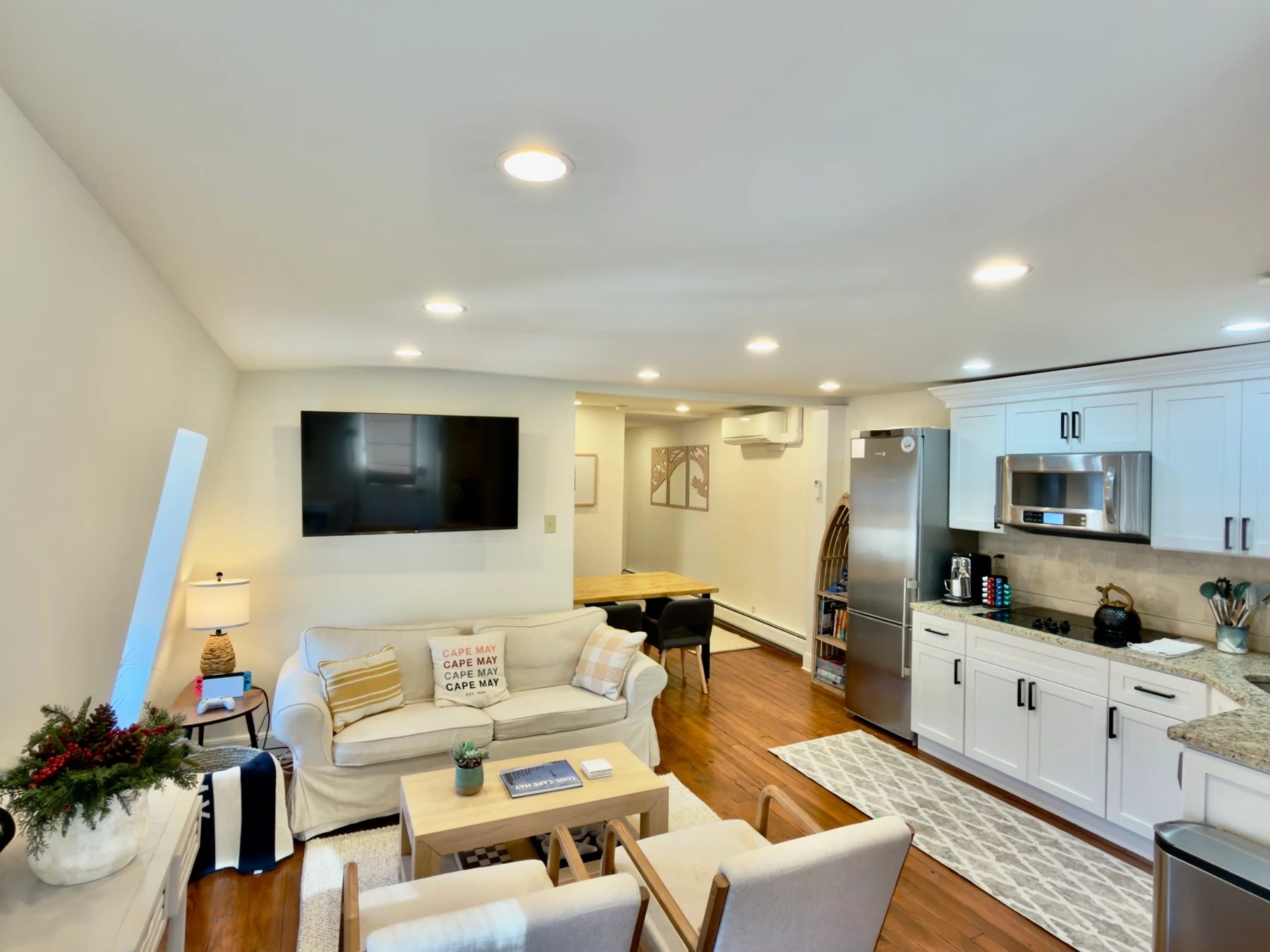
Cape del Mar’s six properties across Cape May and Cape Coral each demonstrate why direct booking pays off: transparent pricing, specific amenity disclosure, and immediate owner access for questions VRBO’s messaging system often delays. Cape Belvedere sits on the top floor of the prestigious Belvedere building, two minutes from Congress Hall, with two bedrooms, two bathrooms, and a private cupola lounge for sunset watching, sleeping up to eight guests.
Cape Whale and this pet-friendly Baronet Mansion condo, known as Cape Surf, both occupy the historic Baronet Mansion, designated a National Historic Landmark on May 11, 1976. Both are pet friendly with no hidden pet fee surprises, a detail guests consistently tell us is hard to confirm on VRBO listings until after booking.
Cape Oar occupies an 1860 Victorian house one block from Washington Street Mall, with a wheelchair-accessible layout and private patio, sleeping up to four guests. Cape Wave tops another 1860 Victorian home with a rooftop deck, two bedrooms, and two bathrooms just a five-minute walk to the beach.
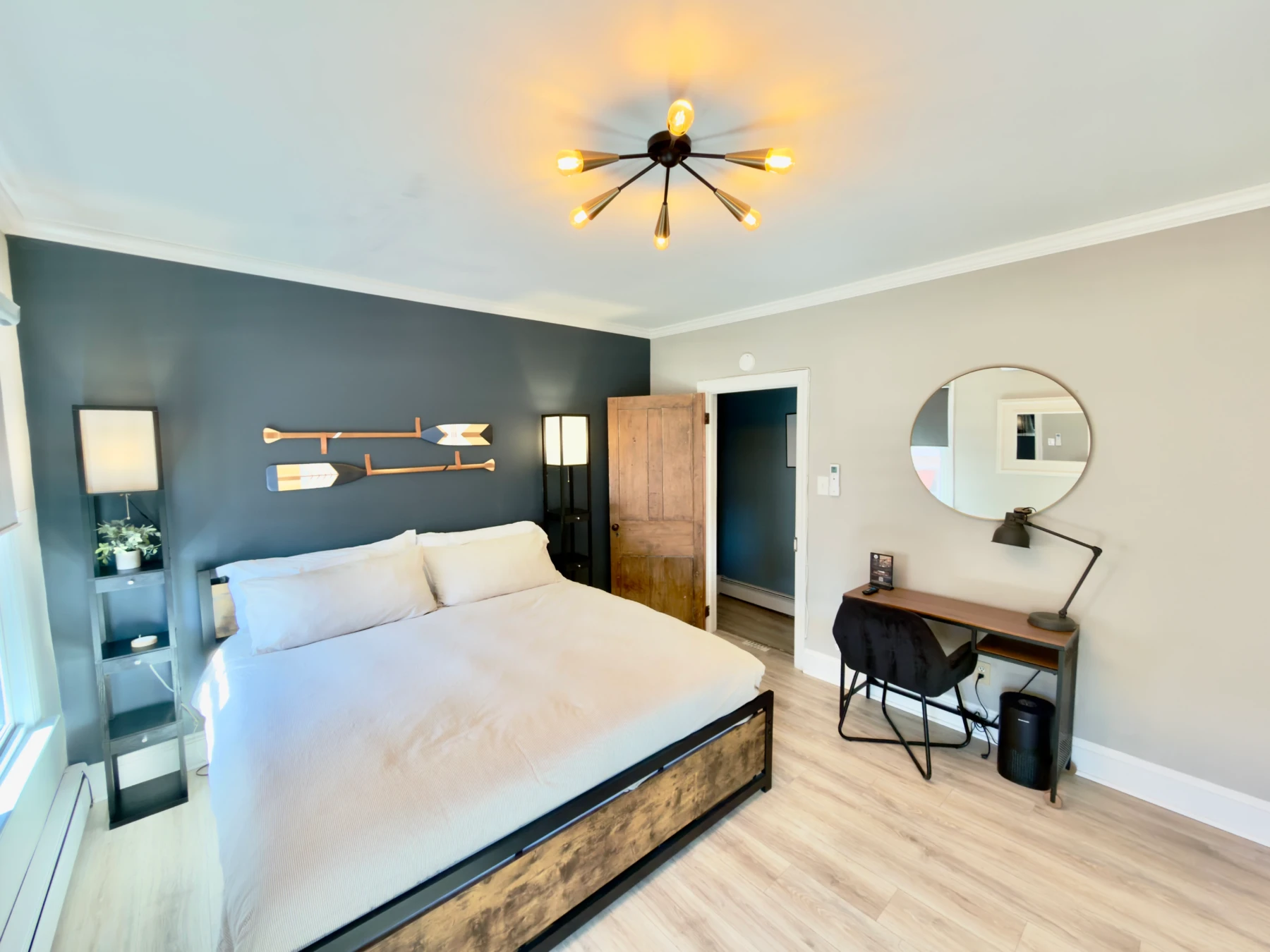
For a completely different trip type, Cape Pelican in Cape Coral, Florida offers four bedrooms, a private heated saltwater pool, and a home office, sleeping up to ten guests, five minutes from Cape Coral Marina.
Compare that level of specificity to a general search on VRBO-style aggregator listings for Cape May, and the difference in transparency becomes obvious fast. Other rental agencies in the market, including Desatnick Real Estate and Homestead Cape May Rentals, list Cape May properties with a more traditional real-estate-agency format focused on availability calendars rather than detailed property storytelling.
Practical Guidance: How to Choose Between Direct Booking and VRBO
Choosing between direct booking and VRBO comes down to your risk tolerance, prior experience with the market, and how much you value cost savings versus platform-standardized protection. Use this framework to decide.
- First-time Cape May visitor with no local contacts: Consider starting with VRBO for the built-in review system, then switch to direct booking on your return trip once you have identified a management company you trust.
- Repeat visitor or referred by a friend: Book direct. You already have a trust signal, and the fee savings compound over multiple trips.
- Booking a large group or multigenerational trip: Book direct and ask detailed questions upfront, since larger deposits and cancellation terms matter more at higher price points.
- Traveling with a pet: Confirm pet policy and fees directly rather than trusting a platform’s generic “pet friendly” tag, which does not always disclose per-pet fees or furniture restrictions.
- Planning a last-minute trip: Call or message the property manager directly. Direct-booking companies frequently have more flexibility to fill a last-minute vacancy at a discount than a platform’s fixed pricing algorithm allows.
Common mistakes to avoid: never wire money to an unverified individual owner, never skip a written rental agreement, and never assume a VRBO-listed price is the platform’s true final cost until you reach checkout and see the full fee breakdown. For a broader look at planning your visit, our complete first-timer’s guide to planning a trip to Cape May covers timing, packing, and neighborhood selection before you even get to the booking stage.
Frequently Asked Questions
Is it cheaper to book directly with Cape del Mar than through Airbnb or VRBO?
Generally yes. Booking direct with Cape del Mar removes the guest service fees and platform markups that Airbnb and VRBO both apply, which industry comparisons place in the 10 to 30 percent range for total trip cost. You also gain access to the exact rate breakdown, since we quote the true nightly rate, applicable New Jersey sales tax, and any cleaning fee upfront with no bundled platform commission.
Do Cape del Mar properties allow pets, and are there extra fees?
Cape Whale, Cape Surf, and Cape Pelican welcome well-behaved pets with no hidden per-pet fee, though we do ask guests to keep animals off furniture and beds. Cape Belvedere, Cape Oar, and Cape Wave are not currently pet friendly, so confirm the specific property before booking if you are traveling with a dog.
What is the best time of year to visit Cape May to avoid crowds?
Shoulder season, generally April through May and September through October, offers lower crowds and often lower rates than peak summer, while events like the Cape May Jazz Festival and bird-watching programs extend the effective season beyond July and August. Cape May County’s tourism data shows visitor volume climbing steadily since 2020, so even shoulder months are busier than they were several years ago.
Are Cape del Mar properties within walking distance of the beach and Washington Street Mall?
Yes. Cape Belvedere sits a block from Washington Street Mall and two minutes from Congress Hall. Cape Oar and Cape Wave are both one block from the Mall, with Cape Wave a five-minute walk to the beach. Cape Whale and Cape Surf are directly across the street from the beach inside the historic Baronet Mansion.
What eco-friendly features are included in Cape del Mar rentals?
Cape del Mar properties emphasize concrete sustainability details rather than vague claims, including organic shampoo, conditioner, and body wash instead of single-use plastic bottles, plus eco-conscious cleaning products used between stays. Ask your property manager directly about water filtration or air purification specifics for the individual unit you are considering, since amenities vary by property.
How many guests can Cape Pelican in Cape Coral comfortably sleep?
Cape Pelican sleeps up to ten guests across four bedrooms, with two kings, one queen, one twin bunk with trundle, and a kids’ sofa bed, plus two full bathrooms. It also includes a private heated saltwater pool, game room, and home office, making it suited for larger multigenerational groups.
What should I ask a Cape May owner before booking direct?
Ask for a written rental agreement, confirm the payment method offers some buyer protection, and ask specific property questions like which floor the unit occupies, parking arrangements, and laundry availability. A legitimate, established operator will answer these instantly without hesitation, since they know the property firsthand.
Conclusion
Booking a vacation rental directly instead of using VRBO comes down to a straightforward trade: you give up a centralized platform’s standardized protections in exchange for lower cost, faster communication, and access to perks an algorithm cannot surface. For Cape May specifically, where visitor spending reached $8.1 billion in 2026 and continues climbing, the fee gap between platform and direct booking has only gotten more noticeable as demand rises. The math favors direct booking most clearly for repeat visitors, groups, and pet owners who need specific answers a listing page cannot give.
Whether you are chasing quiet beach mornings, historic Victorian architecture, or a kitchen stocked well enough to skip the grocery run, Cape May rewards a little planning either way. At Cape del Mar, we built our properties around exactly this kind of trip: walkable, well-equipped, and genuinely low-hassle from the first message to checkout in 2026 and beyond.

If you are ready to see what direct booking actually saves on a real Cape May trip, Cape Belvedere puts you two minutes from Congress Hall with sweeping Atlantic views from its private cupola. Check availability and book directly here.